 Wildlife Film News
Should you like to support the production of this newsletter, you can do so by chipping in here (or below). Any amount appreciated. It is an ever increasing struggle to keep going!! Thank you. And, if you're a member and haven't paid your subs, you can do so here ... Please do!! :)
|






|
Join us, become a member of Wildlife-film.com! |
 |
As a full member of the site, you get a listing in all appropriate sections, a profile page, access to our members' private Facebook Group and priority on your news across the site, this newsletter and our social media accounts. To become a full member ... email me (Jason!) membership@wildlife-film.com for an application form. For more info, visit: Wildlife-film.com/freelancers (currently just £30/year!) or Wildlife-film.com/companies (only £100/year!) Membership fees help to keep the site going too ... Your support is much needed and appreciated! |
| Submissions are officially OPEN for PWFF! The Pridelands Wildlife Film Festival (PWFF) officially opened their call for entries on the 21st of July. Regular entries are open from August 2nd to September 12th. Are you telling bold, raw, beautiful stories about wildlife, nature, or the people who live alongside it? Whether you're a seasoned filmmaker or just getting started — we’ve built a space for your voice. With brand new categories like Best Innovative Wildlife Storytelling and Digital Indie Voices, alongside festival staples like Best Short, Feature, Emerging, and African Film — there’s a place here for every kind of conservation storyteller. PWFF is more than just a festival, it’s a movement. A platform for reclaiming narratives, dismantling colonial frameworks, and building a future where African and BIPOC storytellers lead the global conservation dialogue.
Got a story that demands to be seen? Submit now through FilmFreeway here: filmfreeway.com/PridelandsWildlifeFilmFest Visit: pwff.africa |
|
Mangrove Action Project Announces Winners for the 11th Annual Mangrove Photography Awards On the International Day for the Conservation of the Mangrove Ecosystem, also known as World Mangrove Day, Mangrove Action Project (MAP) — a global leader in community-led mangrove conservation — is thrilled to announce the winners of the 2025 Mangrove Photography Awards. Celebrating its 11th edition, the Mangrove Photography Awards serves as a powerful storytelling platform, offering audiences a glimpse into worlds they might never otherwise experience. This year saw a record-breaking 3,303 entries from 78 countries, including new entries from Samoa, Yemen, and Dominica. The winning images capture the urgent race to save these endangered but precious ecosystems, found in 125 countries and territories around the world. Mangroves are ecological powerhouses. They sequester up to five times more carbon than terrestrial forests, protect over 15 million people from flooding, support the livelihoods of millions of fishers and coastal communities, and provide vital habitats for countless marine and terrestrial species. Despite these widespread benefits, 50% of the world’s mangrove ecosystems are at risk of collapse by 2050, with urban development, deforestation, aquaculture, and sea level rise contributing to worrying rates of decline. Visual storytelling as conservation action The Mangrove Photography Awards give professional and amateur photographers around the world a chance to weave narratives of urgency and hope in equal measure, inspiring action and fostering a deeper understanding of the intricate relationship between people, wildlife, and mangroves. "By intriguing people about the important role mangroves play in everyone's lives, we want to instill an emotional and deeper connection for people to take action, ” said Leo Thom, MAP’s Creative Director and founder of the awards. Judged by experts in the field who are passionate about merging photography with storytelling, this year’s panel includes Thai photojournalist and marine biologist Sirachai “Shin” Arunrugstichai; award-winning wildlife photographer Chien Lee; and underwater photographer, videographer, and shark naturalist Tanya Houppermans. This year’s awards introduced exciting new elements designed to expand the initiative’s reach and impact. The Emirates Award and Arabian Gulf Award were launched in partnership with the Environment Agency - Abu Dhabi, celebrating photographers and conservation efforts in the United Arab Emirates and wider Gulf region. New subcategories in the Wildlife, Landscape, and People categories were also created, expanding its recognition of the diversity of mangrove ecosystems, offering photographers a chance to tell stories from a different perspective. “One of the most impressive aspects of this year's competition is the remarkable diversity of images and shooting styles among the submissions, ” Lee said. “Although an often overlooked ecosystem, these images show that mangroves not only hold a wealth of fascinating stories about the lives of people and animals that are inextricably connected with this habitat, but that mangroves also contain great beauty. ” “I believe that these photographs will go a long way in educating the public about mangroves through the brilliant visual stories they tell and will hopefully inspire people to do what they can to save these critical habitats, ” Houppermans added. Overall Winner: ¨Birds’ eye view of the hunt¨ by Mark Ian Cook, USA 2025 Winner: A story of urgency This year’s overall winner and Mangrove Photographer of the Year, is avian ecologist, restoration scientist, and conservation photographer Mark Ian Cook with his photo, View of the Hunt’ . At first glance, this scene of Roseate Spoonbills gliding over a lemon shark hunting mullet in the mangrove-lined waters of Florida Bay may give the appearance of a peaceful and balanced habitat. But Cook’s aerial shot documents what could be the last of the Everglades’ iconic birds, whose very health and survival is intrinsically linked with the health of the Everglades. Despite years of successful restoration and recovery efforts — bringing Florida’s Spoonbill population back from a mere 15 pairs in the 1800s — rising sea levels are now significantly impacting the behavior of these birds in an area where a few centimeters makes the difference between a species thriving or leaving. “Historically, Florida Bay was the primary nestling region of the Roseate Spoonbill in the US, but this species is becoming increasingly rare there as sea level rise negatively impacts their important mangrove foraging habitat,” Cook said. “Spoonbills are tactile foragers, meaning they feed by touch. However, for this foraging method to be successful, the birds need relatively shallow water with very high densities of fish. This becomes particularly critical during the energetic bottleneck of the nesting season. “With climate-change induced sea-level rise, these critical lower water depths in the mangroves are increasingly failing to be met, fish densities are insufficient for effective foraging, and fewer birds are able to breed.” Winners have also been announced in six categories — People, Landscape, Underwater, Threats, Wildlife, and Conservation Stories — as well as the Young Mangrove Photographer of the Year, Emirates Award, and Arabian Gulf Award. Category Winners WILDLIFE: Birds Wildlife - Birds - Winner: ¨Avian Impressionism¨ by Mark Ian Cook, USA This image was taken last autumn after the summer rains had sent much needed freshwater flows into the Florida Bay estuary. The odd yellow colour is entirely natural and is a consequence of the mangroves lining the bay; the first flush of freshwater from the Everglades gains this rich whiskey hue as it passes through the swamp and extracts the tannins leached from decaying mangrove leaves. The migrating teal are feeding just downstream of the mangroves dabbling and filtering high densities of algae and other microorganisms from the shallow edge of the bay. It can be a challenge to produce creative aerial images of the topographically flat Everglades so it’s often necessary to find subjects that are willing to interact with their habits in strange and wonderful ways, like these artistic teal. Here my aim was to capture something of the ecology or essence of the ducks while also attempting to fit that into a visually appealing composition that incorporates, to the extent possible, the patterns, textures, and colours of the environment. It’s this combination of animal behavior and a captivating habitat that I believe make for the most compelling images. @lightswitchaddict Mammals Wildlife - Mammals Winner: ¨A Snack in the Mangrove Forest¨ by Satwika Satria, Indonesia This juvenile proboscis monkey is seen savoring an avicennia fruit it found. The avicennia fruit is one of the primary food sources for proboscis monkeys. This image highlights the vital role of mangrove ecosystems in supporting the survival of this endangered species. @ian_satwika Other Species Wildlife - Other Species Winner: ¨Night in the mangrove¨ by Christian Møldrup Legaard, Philippines The first time I visited the location was several years ago. Having never seen fireflies before I was amazed at the brilliant strobes of light they emitted, but I was also equally frustrated about not bringing a tripod. This time arriving at low tide and with a tripod in hand I intended to capture an image that could convey the size of the colony and how they move around. I quickly discovered a challenge to capturing their movement: they only emit light in short pulses and they move slowly across the frame -- even when using a shutter speed of 30s. As such I ended taking 20 exposures of 30 seconds each and stacking them to form the final image, that captures the trail of both fast and slow moving individuals. Interestingly the stroke of each line can be seen as an indicator of how fast the individual was moving. For instance the fireflies that move quickly have trails where the individual strobes of light can be seen, whereas the strobes blend into a solid line for the individuals that move slowly. @christian.legaard.photography THREATS: Threats Winner: ¨Paradise Buried¨ by Tom Quinney, Indonesia I took this photo near Pesanggaran in southern Bali while on a birding tour looking for shorebirds at low tide. As we walked along the sand beside a chain of mangrove forests, I stumbled upon this towering pile of trash. It was a jarring sight, rising above the canopy of one of the island’s struggling mangrove ecosystems, in plain view but somehow hidden in plain sight. This appears to be a long-standing trash site, possibly once formal but clearly unmanaged. In the past, a major fire burned through the rubbish here, and to this day the landfill continues to grow, pressing against the edge of this delicate mangrove system. I was struck not only by the scale of the waste, but by the number of birds congregating around it, seemingly feeding from it, and the unexpected presence of people walking along the crest of the trash mound. Their small figures in the distance gave the scene a bizarre scale. Closer to my feet, among the sand and the crabs, were tyres, cans, and plastic debris. I noticed dead mangrove trees tangled in the middle layer of the forest, with young shoots planted in the foreground, likely part of a reforestation effort to combat the damage. The image felt layered in more than just its composition, the sky, the looming waste, the collapsing and regenerating trees, and the fragile shoots clinging to the tide line. I wanted the photo to serve as a wake-up call: an example of how mass tourism, consumerism, and poor waste infrastructure can collide in places that sell the idea of paradise. Shot on a Nikon Z8 with a 180–600mm lens to compress the layers I saw. This wasn’t what I intended to shoot, but it’s what I took away from this scene. @tom_quinney LANDSCAPES: Black and White Landscapes - Black & White Winner: ¨Take a Bow¨ by Vladimir Borzykin, Indonesia This image steps into the realm of fine art photography. Using a long exposure, I transformed the moving sea into a motionless, reflective surface—like an ice skating rink. Against this backdrop stands a single, bent mangrove tree, its shape uncannily resembling a person taking a bow after a performance. It’s the only tree on this stretch of coast, and I found myself wondering what happened to the others. In that context, the bowed form became symbolic: a final act, a solitary performer acknowledging the end. @vladslandscapephotography From the Air Landscapes - From the Air Winner: ¨Mangroves and Modernity¨ by Ahmed Badwan, United Arab Emirates The harmonious blend of mangrove nature with the modernity of the city — a captivating contrast where urban innovation meets the timeless rhythm of the wild. @badwaan_ On the Ground Landscape - On the Ground Winner: ¨Mangrove Under the Milky Way¨ by Gwi Bin Lim, Indonesia This is Walakiri Beach. Not long after sunset, a breathtaking view of the Milky Way unfolded overhead. It's pristine where you can experience the spectacular night sky in all its glory. @gwibinlim PEOPLE: Conservation and Restoration People - Conservation & Restoration Winner: ¨Mangrove Honey Bees Make Land¨ by Ian Rock, Costa Rica After a winding route through many narrow canals, fisherman Manuel carries a heavy bee hive off a boat to its new home within the buffer zone of the Terraba-Sierpe mangrove forest, the start of a new mangrove honey project for the community. Manuel and the others are local fishermen who live within the Terraba-Sierpe National Wetland, the largest mangrove forest in Costa Rica. For the local communities that live in this wetland, one of the poorest regions in Costa Rica, their primary source of income comes from fishing. Sadly fish and clam populations are declining from overfishing, loss of habitat, and climate change putting economic pressure on the communities. In order to build resilience for the community, Osa Conservation is working alongside the community to kick start a mangrove honey project, training fishermen like Manuel in beekeeping and business development. Flash to the moment this photo was taken. After months of training it was time to bring the bees to their new home within the buffer zone of the protected wetland. The only access is by boat and very difficult work transporting the heavy hives on unsteady vessels, particularly under the oppressive humid heat of tropical wetlands. Fast forward 6 months and the first batches of honey have been harvested, totaling close to 30kg. Excitement and pride is palpable in the mangrove beekeepers. The community members are working with a Costa Rican branding agency to develop their Mangrove Honey brand. Eventually the honey will be available commercially, first in the local lodges and shops of the Osa Peninsula and then further around Costa Rica. The honey is delicious and unique, with a distinct salty sweet flavor. Ideally in the future, this project has ripple effects, creating even more opportunities for a community with limited options, opportunities that are dependent on a prospering mangrove ecosystem rather than an over-harvested one. A resilient people and a resilient ecosystem. @ianinthewild Livelihoods People, Livelihoods Winner: ¨Bhoben Biseash and his Otters¨ by Freddie Claire, Bangladesh There are only a handful of otter fisherman left and their unusual method of fishing has been handed down from father to son for centuries. The trainer adult otters are teathered and the younger otters swim free. The otters chase fish from the muddy banks into the awaiting nets and after each fishing session get their share of the catch. @shuttersoundfreddie UNDERWATER: Underwater Winner: ¨Low tide on hermit crab island¨ by Alex Pike, Australia While Clibanarius taeniatus is one of Australia's more common hermit crab species, very little is known about it and I'm not sure it even has a common name. A study from 2003 found that its presence in large numbers generally indicates an environment that experiences higher freshwater flow than other marine intertidal regions. This is certainly true of the mangrove island I found at the entrance of Lake Macquarie which was absolutely teeming with these creatures. I visited this island at both low and high tides, and at low tide there were literally thousands of C.taeniatus feeding within the matrix of mangrove roots. @alexjpike CONSERVATION STORIES PORTFOLIO: Conservation Stories Winner: ¨A Woman’s Fight in the Sundarbans Mangrove Forest¨ by Mohammad Rakibul Hasan, Bangladesh Shorbanu Khatun, a 45-year-old widow whose husband was killed by a Royal Bengal Tiger during honey hunting, never dares to enter the Sundarbans Forest to collect honey for her survival. Shorbanu, along with three other women who are also tiger widows, collectively hunts for honey in the deepest parts of the Sundarbans Forest. This perilous area is frequented by Royal Bengal Tigers, known for attacking and killing people, as well as pirates who kidnap honey collectors known as Mawalis. Karuna Rani, one of the few women in the Sundarbans who ventures into the forest to collect honey since her childhood, leads the way through the dense mangroves with Shorbanu. Aware of the ever-present threat of tigers, she prepares for the arduous task ahead. Alongside her fellow tiger widows, Karuna exhibits remarkable resilience and bravery, confronting both the dangers of wildlife and the challenging environmental conditions of their homeland. Karuna Rani holds a bowl ready to catch the honeycomb as her companion climbs a tree to cut the hive. Using a torch made from Gol leaves to smoke out the bees, these tiger widows bravely collect honey deep in the Sundarbans, facing numerous dangers from wildlife and environmental challenges. Shorbanu climbed up a tree in the Sundarbans Mangrove Forest to cut a beehive. She and her fellow women collaborators borrow money from the village Mahajan, who lends money to the Mawalis at high interest rates. Using smoke to ward off the bees, she carefully cuts the hive, her face shielded by a protective mesh. This dangerous task is a testament to her courage and determination as she works to support her family despite the ever-present threats of wildlife and environmental challenges. A fresh honeycomb rests in a bowl as Shorbanu and her fellow honey collectors take a moment to rest in the Sundarbans Mangrove Forest. This precious honeycomb, carefully cut from a tree, represents not only a vital source of income but also the immense risks these women undertake. @mohammadrakibulhasan YOUNG PHOTOGRAPHER: Young Photographer Winner: ¨Crocodile Galaxy by Nicholas Hess, United States This image is one I’ve hoped to capture for the past 4 years living in Florida. Never whilst visiting this site did I get the chance before. But this day the stars literally aligned. At 2 AM, the Milky Way rose behind not one, but two crocodiles conducting some courting behavior. Seeing my opportunity I set up my tripod to utilize a long exposure to capture the Milky Way in my image. I then used a flash to freeze the crocodile’s subtle movement. After perfecting my settings, I shot a few images as the female appeared to circle the male and below. This one turned out to be my favorite. @greatwhiterattlesnake EMIRATES AWARD: Emirates Award Winner: ¨Morning Serenity in Abu Dhabi¨ by Ahmed Badwan, United Arab Emirates A serene morning kayak journey through the lush mangroves on one of Abu Dhabi’s tranquil islands — where nature whispers in stillness, and sunlight dances gently on the water’s surface, creating a scene of pure harmony. @badwaan_ ARABIAN GULF AWARD: Arabian Gulf Award Winner: ¨Cormorants welcoming the sunrise in the embrace of the mangroves¨ by Dr Mahdi Mohammad Gholoum, Qatar This photo was taken on the shores of Qatar, where cormorants were resting after a long day of hard work and searching for food. As the sun rose, the birds stayed under the mangrove trees to rest and dry their wings from the water. The weather was very humid during the summer, which made photographing challenging, and my lens was malfunctioning at times. However, thankfully, we succeeded in capturing these beautiful and peaceful moments that reflect the natural balance of wildlife in the coastal mangrove environment. @kuwait_environmental_eye We invite audiences to explore the stories behind the winning images to learn more about the importance of mangroves and global efforts to protect them. All winners will be live on our website on 26th July. Visit: photography.mangroveactionproject.org Importance of Mangrove Forests The Mangrove Photography Awards is organized by Mangrove Action Project (MAP), a US-based non-profit dedicated to reversing the degradation and loss of mangrove forests and their associated coastal ecosystems around the world by giving a voice to coastal communities, restoration practitioners, and partner NGOs. Through its grassroots, bottom-up approach, MAP strives to provide mangrove restoration and conservation, education, training, and consulting that promote community-based, sustainable management of coastal resources. Through this combined approach of action, advocacy, and education, MAP can ensure mangrove forests are healthy for current and future generations. Follow on socials: facebook.com/MangroveActionProject, x.com/MangroveProject & instagram.com/mangroveactionproject |
|
Aussie billionaire Andrew Forrest bankrolls David Attenborough’s US$5.1Mn OCEANS for Nat Geo and Disney+ “Billionaires back impactful documentaries!” – That’s the key takeaway from the May 7 premiere in London of Ocean with David Attenborough. West Australian resources magnate Andrew “Twiggy” Forrest funded Ocean’s US$5.1 Mn documentary via Minderoo Pictures, his impact film company headed by Malinda Wink. David Attenborough and King Charles topped Forrest’s super high-level guest list at the Royal Albert Hall premiere. (Credit: Getty Images for National Geographic) The 99 -year-old Attenborough admits that Ocean is probably his last film. Nearly three years in the making, the film “shines a stark spotlight on the devastation caused by industrial overfishing, with Attenborough’s unmistakable narration guiding audiences through the science, destruction and solutions.” Ocean with David Attenborough | Official Trailer | National Geographic Impact Strategy The film’s urgency is underlined by the timing of its launch ahead of World Ocean Day and the UN Ocean Conference in Nice. Andrew Forrest aims to influence global policymakers and spark public demand for marine protection. His goal is to establish “enforceable, no-take marine parks covering at least 30 per cent of oceans by 2030.” Watch Ocean: disneyplus.com or visit: oceanfilm.net |
|
Ocean: Earth's Last Wilderness 'THIS IS THE STORY OF OUR OCEAN AND WE MUST WRITE ITS NEXT CHAPTER TOGETHER. FOR IF WE SAVE THE SEA, WE SAVE OUR WORLD. AFTER A LIFETIME OF FILMING OUR PLANET, I'M SURE THAT NOTHING IS MORE IMPORTANT.' From the icy seas of our poles to remote coral islands, David Attenborough has filmed in every ocean habitat on planet earth. Now, with long-term collaborator Colin Butfield, he shares the story of our last great wilderness - the one which shapes the land we live on, regulates our climate and creates the air we breathe. Dive into eight unique saltwater habitats, swim through kelp forests, mangroves and coral reefs and down almost 11,000 feet to the deepest corners of the most unexplored ecosystem on our planet. Experience a journey of wonder and discovery, populated by green turtles and blue whales; clownfish and bioluminescent jellyfish; the vampire squid and the 'head-less chicken monster' - a strange form of sea cucumber that lives at the very bottom of the ocean. With the warmth, intelligence and awe that characterises all of David Attenborough's landmark series, Ocean shows us a world which is both desperately fragile yet astonishingly resilient, with an extraordinary capacity to repair itself. It's not too late to restore our most vital habitat. If we treat it with respect, our marine world will be even richer and more spectacular than we can imagine. A book almost a century in the making, but one that has never been more urgently needed. ** THE INSTANT SUNDAY TIMES BESTSELLER ** ¨Gripping... the wildlife is so fantastical that the images on the page feel like works of the imagination.¨ — Evening Standard ¨Determinedly positive . . . There seem to be real grounds for hope. You can just hear [Attenborough's] voice. The lilt and rasp of it . . . Passionate. The great naturalist's latest book, written with Colin Butfield, explores the Earth's last wilderness, from octopus gardens to booming fur seal numbers.¨ — The Times ¨[Sir David Attenborough] is a one-off . . . a genius.¨ — Daily Mirror ¨Educating and inspiring the next generation on the importance of the oceans is a key message. It reveals that the ocean is the part of our world that can, and in some cases has, recovered the fastest, and in our lifetimes we could see a fully restored marine world, even richer and more spectacular than we could possibly hope, if we act now to protect it.¨ — Daily Express ¨The great naturalist's latest book explores Earth's last wilderness, from octopus gardens to booming fur seal numbers. [It] is determinedly positive. There seem to be real grounds for hope. Given a chance, the authors insist, sea life is astonishingly resilient.¨ — The Times The book is available at Amazon.co.uk Published 8 May 2025 |



| Tweet |

| The Bough Breaks heads to Good Docs The Bough Breaks, produced by Mousehole Films and sponsored by us is now being distributed by Good Docs. Good Docs is a leading documentary distributor representing a wide collection of films that do GOOD in the world. Their award-winning collection champions creative expression and complex films that provoke critical thinking. Featuring stories about individuals and communities working towards a more equitable world. THE BOUGH BREAKS has at its heart, the work of visionary conservationist and ecologist, Alan Watson Featherstone and his charity Trees For Life, but it also explores the wider Rewilding movement; how its model of large-scale forest restoration, can mitigate some of the global conservation and climate crises, currently threatening life on Earth. Alan's personal journey also illustrates the urgency for more individual responsibility in the stewardship of our planet and the enormous legacy one man can gift to the future, by staying true to his personal vision.
Interested in a screening? Click the link to learn more: gooddocs.net/collections/new-releases/products/the-bough-breaks |
| Sea Shepherd Conservation Society – CAMPAIGN FILM: Antarctica Defense 2025 For decades, we’ve deployed to Antarctic waters to defend some of the largest creatures on Earth. Now, our focus has shifted to one of the smallest—krill, the foundation of it all. This species is being wiped away by industrial fishing, putting the entire food chain at risk. Industrial krill trawlers now operate here relentlessly, transferring their catch to freighters, refueling at sea, and returning to fish without pause. These small, shrimp-like animals sustain some of the largest and most iconic species on the planet—humpback and fin whales, penguins, seals, and seabirds. As these animals arrive to feed, the trawlers sweep in ahead of them, taking the food right out from under them. Sea Shepherd has returned to confront this crisis with nearly half a century of experience exposing lives lost in the wake of human greed. Our ships, our crew, and our camera teams are uniquely equipped to reveal what few have seen—and what the krill industry would prefer remain hidden. Our work is rooted in science. We brought researchers aboard to monitor whale populations and their access to prey in this region—an essential feeding groundwhere whales return after breeding to rebuild their strength by feeding on krill. We are using this evidence to push for stronger protections under CCAMLR, including the urgent establishment of a Marine Protected Area that would finally give these animals a safe zone to feed without competition from industrial trawlers. This campaign is already shifting the conversation. But without action, the extraction continues. And the food disappears. Watch: Learn more about our campaign here: seashepherdglobal.org/our-campaigns/antarctica-defense |




| IWFF48 AWARD WINNERS ANNOUNCED The 48th International Wildlife Film Festival (IWFF) is happy to announce the 2025 Award Winners. Every year, the IWFF Jury votes on a pool of films to be highlighted in 12 categories, pulled from submissions, and celebrated during the week-long festival. This year, the event will run from Saturday, April 19th, to Thursday, April 24th, with special screenings of award-winning films and festival favorites on Saturday, April 26th. The Virtual Festival plays online from April 26th to May 2nd. After deliberation, one winner was selected in each of the 12 categories, and an additional Special Jury Prize was awarded. The 2025 jury included Brad Forder, the Director of Programming for the Environmental Film Festival in the Nation’s Capital, Ian Withrow, the Marketing and Communications Manager of the Flathead Lake Biological Station, and Jess Swigonski, a Freelance Film Curator and Screening Strategist. Lost Wolves of Yellowstone, the Best of Fest Award-Winner, is a powerful testament to wildlife resilience and the commitment of people who dedicate their lives to help restore the balance of nature in our ecosystems. Jury statement: See all the 2025 winners here: wildlifefilms.org/2025-winners |
| 2026 DCEFF Festival Dates Announced The Environmental Film Festival in the Nation's Capital (DCEFF) Announce their 2026 Festival Dates: March 19-28 ¨We are very excited to announce the official dates for our 34th Annual Environmental Film Festival. Staff are already hard at work making plans for next March!¨ To support their upcoming programming and next year's Festival, consider making a contribution today: give/dceff/donate In other news: ¨we're excited to announce a new staff member has joined the DCEFF team.¨ DCEFF Welcomes Brianna Day to the Team Brianna recently joined the Festival staff as our new Director of Development, where she'll work with our amazing network of supporters to drive the DCEFF mission forward. Prior to working at DCEFF, Brianna was Corporate Relations Manager at the John F. Kennedy Center for the Performing Arts. In her free time, Brianna serves on the board of St. Mark’s Players, a Capitol Hill community theatre, where she continues to perform and stage manage whenever possible. |
| ACFF is Open for Film Submissions! We’re inviting filmmakers to submit fiction and non-fiction conservation films from around the world on FilmFreeway. For our 23rd year, we'll be considering films under 40 minutes - as well as inviting several feature films. We especially love stories that include possible solutions. Late Deadline: September 1st, 2025 For more information, please visit our website. Your support for our environmental film festival helps elevate vital stories that inspire action for our planet. Every donation makes a difference in our ability to bring you the best in conservation filmmaking, provide a supportive platform to filmmakers, develop educational programming, and expand our outreach efforts: Consider a donation today! |
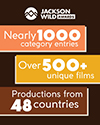
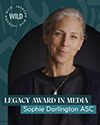
| A Record-Breaking Year of Submissions for the Jackson Wild Media Awards This year’s Jackson Wild Media Awards broke our records, with nearly 1,000 category submissions, over 500 films entered, and stories from 48 countries across the globe. This incredible response is a powerful sign: the global community of nature and science storytellers is growing stronger, more passionate, and more determined than ever. A heartfelt thank you to every filmmaker, crew member, changemaker, and storyteller who submitted your work. Your creativity, courage, and commitment to this planet continue to inspire — and we can’t wait to celebrate the stories you’ve shared. Attend the 2025 Summit: Register to attend September 29 - October 3, 2025 - The Jackson Wild Summit brings together an uncommon community, bound by a shared sense of purpose. We all believe in the transformative power of story to inspire awe at the wonders of our natural world and ignite critical changes required to restore and protect it through high-impact global collaborations. Here: jacksonwild.org/2025-summit Announcing the Jackson Wild 2025 Legacy and Rising Star Award Winners Celebrating two incredible storytellers. One a guiding light whose work has defined the field, the other an emerging force, lighting the way ahead. We are honored to present the 2025 Jackson Wild Legacy Award in Media to Sophie Darlington ASC, a world-renowned wildlife cinematographer whose work has redefined how we see—and feel—our connection to the natural world. Sophie has spent over three decades behind the camera, a trailblazer in wildlife cinematography when women were few and far between. Mentored in the Serengeti by legendary filmmaker Hugo van Lawick, she’s built a career capturing emotionally powerful, visually striking, and deeply empathetic stories that bring audiences closer to the beauty and fragility of the natural world. Her work spans many of the most iconic and award-winning nature documentaries of our time, including Dynasties I and II, Our Planet I and II, and The Hunt, all narrated by Sir David Attenborough. In 2016, she was part of the core team that won a BAFTA for The Hunt and became a member in 2018. In 2024, she was Co-Series Director of Photography on National Geographic’s Queens, and in 2025, she became the first dedicated wildlife cinematographer invited to join the American Society of Cinematographers and was also invited to join the Academy of Motion Picture Arts and Sciences. Sophie continues to build on her legacy by mentoring and advocating for women and underrepresented voices in wildlife storytelling. Sophie’s legacy is not only measured in the footage she’s captured but in the doors she’s opened. More here: jacksonwild.org/legacy-award We are thrilled to recognize Sonya Lee, a Korean-Canadian filmmaker and National Geographic Explorer, as the 2025 Jackson Wild Rising Star—an award that honors emerging voices whose work is boldly shaping the future of environmental media. Thank you to Wildstar Films for sponsoring the Rising Star Award and uplifting a new wave of change-makers in this industry. Sonya’s filmmaking explores the intersections of science, nature, culture, and community. With a background in Marine Biology and International Development Studies, she brings over a decade of experience in science communication to her storytelling. As the former Science Producer for the National Film Board of Canada’s Ocean School, she created over 100 educational media pieces—including documentaries, VR/AR experiences, and interactive tools—designed to bring ocean literacy into classrooms around the world. Her most recent film, Jawsome: Canada’s Great White Sharks, premiered on CBC’s The Nature of Things and was nominated for Best Science and Nature Documentary or Series at the 2025 Canadian Screen Awards. It will be released internationally as Sharks of the North on National Geographic WILD’s Shark Fest via Disney+ and Hulu in July 2025. Sonya is currently creating Our Ocean Table, a TELUS Originals docuseries that blends her love of Korean food and culture with ocean conservation storytelling. She’s also producing a CBC Short Doc about an endemic lamprey species in an urban creek on Vancouver Island, while actively advocating for productions that support women, working moms, and new parents in the field of science media. Her passion for community-driven storytelling and ethical science communication has made her a sought-after mentor, having led workshops and knowledge-sharing initiatives across Canada, South Africa, and aboard the OceanXplorer as Media Faculty for OceanX’s Young Explorers Program. Sonya Lee is not only a storyteller to watch—she’s a force shaping where this industry is going. More here: .jacksonwild.org/rising-star-award |
| Life in the Sonoran Desert | A Cinematic Wildlife Journey ... from Alan Lacy Experience the Sonoran Desert like never before. In this cinematic wildlife journey, we follow life across one of the world’s harshest environments—where river otters glide through desert streams, caracaras hunt to feed their young, rattlesnakes track prey in silence, and saguaros burst into bloom after years of drought. Shot primarily on the Sigma 300–600mm f/4, this film is a personal exploration of survival, adaptation, and beauty in the Sonoran Desert. How I Filmed This Documentary Ever wonder how a solo wildlife film gets made? In this behind-the-scenes breakdown, I walk you through how I created Life in the Sonoran Desert, a 14-minute cinematic wildlife journey, while field testing the brand new Sigma 300–600mm f/4 DG DN OS Sports lens. From field challenges and story development, to narration and sound design, I share how this project evolved from a simple lens test into a full-fledged short documentary. 5 Mistakes I Made Filming My First Wildlife Documentary I made my first wildlife documentary with passion... but also a lot of painful mistakes. In this video, I break down the 5 biggest mistakes I made making my first wildlife documentary, so you don’t have to go through the same struggles. If you’re working on a wildlife film, planning your first doc, or just curious about the reality behind the scenes, this episode will help you save time, money, and frustration. These are the hard lessons I learned over the past 15 years of trial and error. Want to learn how to make your own wildlife documentary? I'm building a full course on wildlife filmmaking. Sign up for early access here: filmingthewild.com/courses |
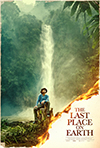
| OPS´s New Film "The Last Place on Earth" Premieres at Mountainfilm! The Ocean Preservation Society´s latest documentary, The Last Place on Earth, had its world premiere at this year’s Mountainfilm Festival, May 22-26th, in Telluride, Colorado ... aimed at shining a spotlight on one of the most biodiverse—and threatened—ecosystems on the planet. Executive produced by OPS founder Louie Psihoyos and directed by David Booth Gardner, The Last Place on Earth is a gripping cinematic journey into the heart of a rainforest that functions like the planet’s lungs. This film is a love letter to Earth’s last wild places—and a wake-up call to protect them before they disappear.. Why Is Leuser So Important? Leuser is the last place on Earth where orangutans, tigers, elephants, and rhinos still coexist in the wild. It supplies clean water to over four million people, regulates the climate through its vast carbon stores, and serves as one of the planet’s most vital defense systems against climate change. But this critical ecosystem is under siege—from industrial palm oil, illegal logging, mining, and infrastructure projects. The Last Place on Earth tells the story of the brave local activists fighting to protect it, and why saving Leuser may be key to saving ourselves. Visit: opsociety.org/defending-forests-and-the-leuser-ecosystem |
|
Help EIA ban unethical UK plastic waste exports. The UK (excluding the US) produces the most plastic waste per person globally and ships millions of kilograms overseas for "recycling" to countries like Türkiye and Malaysia, often leading to environmental damage, landfill, or burning. We need your support to pressure the UK government to take responsibility for its plastic and end this harmful trade. Donate now to help us campaign for a ban and a real solution to the UK's plastic problem. Appeal: Help us ban UK plastic waste exports Help EIA: eia-international.org/what-can-you-do/ways-to-donate/current-appeal |
| Trail: All the Sharks, Netflix Reality series see four teams of shark experts and enthusiasts travel the globe trying to find the most elusive shark species A first of its kind competition series where four teams of shark FINatics travel the world trying to find and photograph every shark imaginable in hopes of claiming the $50,000 prize. Presented by (past-member!) Tom ¨The Blowfish¨ Hird ... Watch: netflix.com/title/81711583 Emzotic goes behind the scenes of the 2025 hit Netflix series 'All The Sharks' with Executive Producer Myke Clarkson! In this exclusive interview, Myke takes us through the untold story behind the making of All The Sharks - Four teams of shark experts and enthusiasts who travel the globe trying to find the most elusive shark species in a reality competition. From filming over 50 species of shark, experiencing a real-life 'Sharknado', to the challenges of traveling with a crew of 60, Myke reveals what it was really like to capture these epic moments of nature’s most powerful and misunderstood creatures. Discover some terrifying behind-the-scenes stories, the logistical challenges, and the unforgettable moments that had the crew facing the raw forces of nature. What does it take to film with sharks in the wild? What dangers did they face? How did Myke Clarkson and his team pull off this massive global production? Visit: emzotic.com |
| BTS: Envy's work on Walking With Dinosaurs More than 25 years after it first stomped onto our screens, the groundbreaking Walking with Dinosaurs is back in a major new BBC Studios production for BBC and PBS, co-produced with ZDF and France Télévisions. This six-part series reimagines the much-loved original with cutting-edge science, cinematic storytelling, and state of the art visual effects. Each episode explores the dramatic life story of a different dinosaur, drawing directly from real- time fossil discoveries made by the world’s leading palaeontologists. As these ancient bones emerge from the earth, the show uses the latest scientific evidence and stunning visual effects from Lola to bring their prehistoric stories vividly to life, guiding audiences back through the Mesozoic Era like never before. To help bring this historic era to life, ENVY played a big part providing a full range of post- production services. Colourist, Sonny Sheridan; Online Editor, Adam Grant; Re-Recording Mixer, Bob Jackson; and Technical Operations Manager, Matt Cole explain the process Laying the Bedrock “This latest series has come a long way both in terms of technology and production”, comments Bob Jackson, who also mixed the audio of the 1999 series. “I began working on this new series in May 2024 where we set out how we would deliver the most accurate series we could.” “During this process, ENVY and the BBC Studios Production Team were in regular contact with academics who advised us on sounds that would have been true to the time, such as birds and insects that would have been living. As an example, we could use the sounds of crickets but not cicadas. This consultation period was ongoing for the first 6 months that I was involved in the project and we were able to build up a collection of sounds to design the environments.” Prior to ENVY working on the series, BBC Studios had already begun storyboarding and previsualising sequences in collaboration with VFX vendor Lola Post Production. ENVY and Lola subsequently worked together to facilitate the turnover of plates and delivery of VFX. “During this period, which lasted between 12-18 months, we turned over more than 2000 plates as well as the lens grids and photogrammetry Lola needed for their work.”, notes Cole. Sonny Sheridan adds, “Sequences were shot on location with a crew going out to record clean plates. Lola would ‘de-age’ the location before adding the dinosaurs into the environment.” Read more: televisual.com/news/bts-envys-work-on-walking-with-dinosaurs |
| VFX story: Lola for BBCS Walking with Dinosaurs Lola Post is behind the VFX in BBC Studios’ Science Unit six-part reboot of BBC natural history title Walking with Dinosaurs. The production was created in close collaboration with Lola Post, with the team crafting the visual effects and animation for the series. Working together with the BBC Science Unit throughout production, Lola delivered scientifically authentic sequences to bring the prehistoric world to life. Led by Executive VFX Supervisor Rob Harvey, VFX Supervisors He Sun, Sam Reed, and Cesar Nunes, Executive Producer Katherine Smith and VFX Producers Lizzie Hill, Sam Rocca and Rebecca Kelly, Lola completed 791 shots. More than 200 VFX artists contributed to the project, working across every stage of the pipeline, from preproduction to final frame, to deliver a scientifically accurate prehistoric experience. Lola’s work began with storyboarding and real-time previsualisation in Unreal Engine. Using the series director’s vision and scripts, the team planned out sequences ahead of global location shoots in the UK, Portugal, Canada, Scotland, and Spain. Lola’s data capture team visited each location to gather reference photos, lighting information, and details about the local environment and vegetation, everything needed to help the digital dinosaurs blend naturally into the real-world scenes. Working closely with the BBC Studios Science Unit, Lola created 21 unique dinosaur species — including Tyrannosaurus rex, Triceratops, Albertosaurus, and Gastonia. Each creature was meticulously built from the inside out, layering bone, muscle, skin, scales, and feathers. Guided by the latest scientific research in close collaboration with leading palaeontologists, the team realised the dinosaurs based on the most current understanding of their anatomy and behaviour. Read more: televisual.com/news/vfx-story-lola-for-bbcs-walking-with-dinosaurs |
| How ITV News went to the ends of the Earth to cover climate change From capturing the collapse of ice caps to interviewing Keir Starmer, ITV News’ science team unpack their groundbreaking mission aboad the RSS Sir David Attenborough. In their respective roles as ITV News’s science correspondent and camera operator, Martin Stew and Mike Field are used to quick turnarounds and last-minute assignments. But when they got the all-clear to embed with the British Antarctic Survey on board the RRS Sir David Attenborough on an unprecedented journey through Antarctica in the middle of polar winter, with a few weeks notice (and in Mike Field’s case, just two weeks’ notice), the preparation went far beyond the usual considerations. “We needed to work out what the stories were, whether it was worth doing,” Stew says – so far, so normal but, he continues, the team also needed to figure out “whether or not there would be enough light to see anything”. Stew and Field had to pass a strict health screening, as well as training courses in survival at sea. Field, also had to figure out how to film without any natural light for long periods and pass an ACFC drone course, as well as learning how to use the equipment in sub-zero temperatures. The decision to go ahead with the expedition represents a bold editorial decision from ITV News to put stories about climate change at the top of the news agenda - even at a time when money is stretched and many other newsrooms are having to pull back on complex and costly assignments. The last time an ITV news team undertook anything similar was more than two decades ago – and then, as now, the project became a once-in-a-generation opportunity to tell a unique story on the impact of climate change, says Rhiannon Hopley, ITN’s senior science producer, who is overseeing the project from the UK. |
| BTS: Underdogs, Disney+ Dan Rees, executive producer at Wildstar Films, on helping Ryan Reynolds give his unique take on Mother Nature’s weird and wonderful misfits. Underdogs is a genre mash-up of premium natural history and comedy, telling the story of the gross, weird or overlooked animals that don’t usually get to be the stars of wildlife shows. It’s a genuine collaboration between a wildlife TV company (Wildstar Films), a talent-led company (Ryan Reynolds’ Maximum Effort), and National Geographic. It was a huge advantage, creatively, to have Ryan and his Maximum Effort team on-board from the beginning rather than parachuting him in as a narrator at the end. Having his inimitable comic persona in our heads informed every aspect of the story development and gave all the partners the confidence to take the big creative swings the series demanded. The germ of the idea for a show about unsung animals arose from previous series we’d made at Wildstar for National Geographic – America The Beautiful and Queens – where we’d leaned heavily into character and looked to make heroes of less-familiar creatures. The development team of Mark Linfield, Vanessa Berlowitz and Honor Peters worked with Janet Vissering to join the dots between that subject matter and Ryan’s unique brand of self-deprecating humour and had the vision to see that this could be a premium show. Ryan and George Dewey, his business partner at Maximum Effort, loved the idea pretty much as soon as it landed in front of them and were on-board with the development. We’re really grateful for the trust that National Geographic showed in us, both with the original commission and all the way through the production period. From early on we decided that the format was to be totally unformatted. We wanted to keep the shows constantly surprising and unpredictable, both to reflect Ryan’s role as ‘the big kid who got to make a nature series but always takes things a bit too far’ and also to combat viewer fatigue by always keeping the audience guessing about what unexpected turn might be coming next. Each episode has its own unique framing device, chosen to best reflect the subject matter. Read more: broadcastnow.co.uk/features/behind-the-scenes/underdogs-disney/5206090.article |
|
"Undercover Inside the Bunker" premieres on Amazon Inside the Beagle Rescue at MBR Acres - What's Next? We (Animal Rising!) were told that we couldn't save any of the beagles locked up in MBR acres, that rescues on this level were relics of the 90s, and that we had no chance. Well, we chose the right way, not the easy way - and now the whole world is going to hear about it. This Friday (June 27th), a ground-breaking new documentary "Undercover Inside the Bunker" premieres on Amazon. It follows the “longest infiltration inside a pharmaceutical laboratory in the world”, revealing the hidden, brutal reality of animal testing across Europe - and we’d love you to see it. The film includes our two 2022 rescues of beagle puppies from MBR Acres, as well as interviews with our co-director Rose, who helped bring these 23 beagles to safety. Combining shocking undercover footage and expert voices, the film makes one thing clear: animal testing belongs in the past. Technologies like organ-on-a-chip and AI are already outperforming outdated methods - there’s no excuse for this cruelty to continue. [Please note the documentary is in Spanish - with full English subtitles, so you won’t miss a thing!] Infiltrada en el búnker | Tráiler Oficial | Prime Video España How can you help? Watch the documentary and share it far and wide - the more people who see the truth, the louder the call for change. Sign our petition urging the government to shut down MBR Acres and invest in cruelty-free technology and modern, humane science. Donate to help power our vital press campaign as we take the fight for the Beagles of MBR acres to the British public! As many of you know, the Animal Rising rescuers who freed 23 beagle puppies from a life in a laboratory are now facing burglary charges for saving lives. These individuals acted selflessly to prevent suffering. Now they face prosecution simply for showing basic compassion. Your support will ensure every one of them has the help and resources they need to feel supported in court and tell their truth. Stand with them. Stand against animal testing. Together, we can end this cruelty for good. In solidarity, Animal Rising Watch on Amazon Prime: amzn.to/4frEYFU |
| Memorable moments from the 2025 Whitley Awards ceremony "We have so much to learn from them as individuals, from their teams, and from what they have achieved.” - WFN Patron, HRH The Princess Royal. An “oasis” of good news, we welcomed 400 attendees including donors, supporters and country Ambassadors to the Royal Geographical Society in London to honour the six latest Whitley Award-winning conservationists protecting our planet for future generations, as well as this year’s Whitley Gold Award winner. WFN Ambassadors Tom Heap and Kate Humble compèred the ceremony with warmth and wit, while WFN’s Founder Edward Whitley OBE recounted extraordinary achievements from our global network of Whitley Award alumni. Browse a photo album of the night's events and watch the highlights film. Visit: whitleyaward.org/2025/05/29/highlights-from-the-2025-whitley-awards-ceremony |
| NFTS Science & Natural History Film Nominated For BAFTA Student Award NFTS Directing and Producing Science & Natural History graduation film, Orchids: Darwin's Conundrum, has been named finalist in the documentary category for the 2025 BAFTA Student Awards! These student projects were voted on by BAFTA members from over a record breaking 1034 film, games and immersive submissions from 154 schools across 39 countries. The winners will be announced on Friday 13 June in LA. Best of luck to graduate Thomas Cassar and his team. In 2024, two NFTS productions took home awards. The BAFTA Student Award for Games was awarded to There Was A Home, designed and developed by Wid Alhajjaji and the Special Jury Prize was awarded to animation Dragfox, directed by Lisa Ott and starring the legendary Ian McKellen and Ru Paul’s Drag Race UK Divina de Campo. Feeling inspired to make films that get recognised on the world stage? Applications are open for many NFTS courses starting in September 2025 and January 2026! NB. The 2025 Student Documentary BAFTA went to Nikki Dodd, of the University of the West of England, for One Last Farm ... Full List of winners: bafta.org/media-centre/press-releases/bafta-announces-2025-bafta-student-award-winners |
| The Very Strange Language of UK TV Production Do you know a Honka Bonka from an FO? Or know what to do with a Turtle? How about being insulted or impressed to be called a DFI? Whilst every family, company and industry have their own idiosyncratic terms, none seem so strange as our beloved TV Industry, so dive in and see how much you know! 1. Turtle No, not one of those! A Turtle stand is a low base stand with a (wait for it), turtle base. Whew – glad we sorted that one out. 2. Sausage Mark Actors are given instructions on where to stand and, more precisely, where to pause during a scene. These positions are typically marked on the set floor with gaffer tape. To help hit their marks without looking down during a shot, actors sometimes use small foam tubes on the floor, allowing them to feel the spot with their feet. Ingenious. 3. Ride On Giraffe Really? This is a type of camera crane. Claudio, our own senior client/drama contact, recalls a story from his previous career as a freelance DP before VMI, when he was working on a film which included a very intense and demanding Director, who was keeping everyone on their toes. The production designer overhead the Director in a lively discussion with the line producer, conveying loudly that would be needing a ride-on-giraffe for the morning and this was very important. The story goes that in the morning, the Production Designer arrived on set looking rather haggard, accompanied by a toy zebra ride-on circus ride. He apologised that he had been up all night trying to find a ride on giraffe and that this was the best that he could do. The Director looked at him blankly and said that he had needed a specific camera crane called a ‘ride on giraffe’ and not to worry, as the LP had already arranged it. 8. TBA – Teddy Bear’s Arsehole This honestly is what it stands for! A TBA is a chamois eyepiece cover, to ensure that the DP’s eyes are warm and comfortable when shooting and this attachment looks just like a … – well, you have the idea! Thanks to DP, Benedict Bannister, who also volunteered, that if you want to make an American crew member laugh, just tell them what a TBA is. Priceless. Not really wildlife-film-related, but fun right!? Read more here: vmi.tv/blog/learn-help/the-very-strange-language-of-uk-tv-production |
| PANGOLIN Journey to Freedom: An International Copro Beats the Odds. A Case Study All the odds were against a South African producer successfully setting up an international coproduction about a secretive and enigmatic orphaned pangolin named Kosha. That’s the story of Pangolin – Journey to Freedom. The special is a partnership between Silver Bullet Films (Cape Town), Terra Mater Studios (Vienna) and PBS Nature. I’m thrilled to have served as an executive producer. Here is the story of how it happened. Elevator Pitch Follow Kosha, an orphaned pangolin pup, as her journey from rescue to freedom reveals groundbreaking conservation science that inspires a safe future for Earth’s most trafficked mammal species. Read much more: documentarytelevision.com/case-study/pangolin-journey-to-freedom-an-international-copro-beats-the-odds |
| PANGOLIN: Finding the ‘baby-in-the-burrow’. A Webinar with Terra Mater Studios’ Susanne Lummer Terra Mater Studios‘ executive producer Susanne Lummer spotlights several of the key challenges and triumphs in the development and production of PANGOLIN — Journey to Freedom. I am delighted to have served as an EP of this warm-hearted co-production between Terra Mater, PBS Nature, and Cape Town-based Silver Bullet Films. Our documentary follows an orphaned pangolin pup named Kosha on her journey from rescue to freedom in the Zimbabwean bush. A webinar highlight is Susanne’s analysis of how the baby-in-the-burrow sequence reveals that even a jerry-rigged, low-tech kit can deliver highly emotional impacts. (Watch at 18′). Plus: Don’t miss our deep dive Case Study covering the PANGOLIN story from concept to funding at €500,000 +/-, and then global distribution, which you can read here. Watch the webinar here (28´): |
| BBC appoints former unscripted head Kate Phillips as chief content officer The BBC has named Kate Phillips as its new chief content officer. The pubcaster’s director-general, Tim Davie, confirmed Phillips’ appointment on Wednesday (June 18), four months after she originally assumed the position on an interim basis. Phillips (pictured) was most recently director of unscripted for the pubcaster, with oversight of such series as Strictly Come Dancing, The Traitors and Gladiators. She also had responsibility for all non-fiction content under that remit, encompassing documentaries, specialist factual, entertainment and factual entertainment, and daytime/early peak programming. She has also served as controller of BBC One during the pandemic, as controller of entertainment across the BBC and iPlayer, and as creative director of formats for BBC Worldwide. During her early BBC tenure, she served as a channel executive for BBC One and BBC Three. Phillips was appointed to the interim CCO position earlier this year, when her predecessor, Charlotte Moore, exited the BBC for a dual leadership role at Left Bank Pictures and its parent company, Sony Pictures Television. Announcing Phillips’ appointment to staff, Davie said that “Her experience with the BBC spans over 12 years and in that time she has brought innovation, outstanding creativity, and an absolute focus on our audiences,” and acclaimed her “fantastic record of delivering creative hits which embody the best of the BBC.” From: realscreen.com/2025/06/18/bbc-appoints-former-unscripted-head-kate-phillips-as-chief-content-officer |
| Autentic Distribution unveils summer doc slate Ahead of this year’s editions of the Sunny Side of the Doc and NATPE Budapest markets, Munich-based factual distributor Autentic Distribution has unveiled its new documentary slate for summer 2025, featuring 37 hours of new content across genres including natural history, science, current affairs, history and more. Fresh science titles include Our New World (3 x 52 min., produced by Boréales, Federation Studios, Lionfish Films and Terra Mater Studios), which explores the effects of climate change on ecosystems and species worldwide; Expedition to the South Pole – Is Antarctica Melting? (1 x 52 min., ThurnFilm), which accompanies a scientific expedition aboard the German icebreaker Polarstern; Requiem in White – Our Dying Glaciers (1 x 52 min., Freiluftdoku); and Flow: The Force of Weather (2 x 52 min., Spiegel TV and Primitive Entertainment). On the wildlife front, Autentic will be shopping Mara: Rebirth (2 x 52 min., pictured) from Wildlife Films and Terra Mater Studios, which offers a portrait of life in the African savanna following the famed wildebeest migration; Axolotl: Salamander from the Underworld (1 x 45 min., Nutshell Productions), about the remarkable reptile that can regrow its limbs and resist aging; The Whale Jail (1 x 52 min., Terra Mater Studios), which examines the history and cost of the international Orca trade; and The Nature of Christmas (1 x 52 min., Terra Mater Studios and Längengrad Filmproduktion), a globe-spanning exploration of the surprising links between wildlife and holiday traditions |
| Blue Ant Studios brings Love Nature greenlights to Sunny Side of the Doc Production studio and rights business Blue Ant Studios will be presenting a slate of original commissions from its Washington, D.C.–headquartered wildlife and nature brand Love Nature this week at the 2025 edition of Sunny Side of the Doc. The new titles include Animal Crowds (3 x 60 min.), from Bonne Pioche and copro partner Arte G.E.I.E., which examines wildlife that gathers, lives and moves about in groups by the hundreds and even the thousands. The series goes a step further to reflect on the human tendency to gather in large groups and looks at how our societies and territorial urges might be dictated by animal instinct. The Philippines (2 x 60 min., pictured) from Terra Mater, Catkin Media Production and Doclights, takes audiences on a journey into the varied natural landscape of the Philippines, studying the diverse wild animals and marine life at the edge of the Coral Triangle that make the islands a unique natural paradise. The first of two titles from Wildbear Entertainment is Boss Shark: Battle of the Sexes (1 x 60 min.), which has Discovery on board as a copro partner. This follow-up to the first Boss Shark special investigates whether male or female sharks are more dominant through playful challenges involving jumping, strength and boldness. The second Wildbear title is season 2 of Planet Weird (6 x 60 min.), which continues to explore bizarre outliers in the animal kingdom with cheeky wit and a unique visual style, playing with pop culture, humor and graphics. From: realscreen.com/2025/06/23/blue-ant-studios-brings-love-nature-greenlights-to-sunny-side-of-the-doc |
| TVFI secures multiple international pre-sales for wildlife doc “China’s Wild Secrets” Award-winning British actor, filmmaker and environmentalist Sir Stephen Fry will narrate the new natural history series China’s Wild Secrets, which explores the hidden lives of some of the country’s endangered species. The five-part series was commissioned by Chinese streamer Bilibili, with London-based distributor TVF International (TVFI) coproducing the international version of the series for global release. The project will be completed in July 2025, and will officially launch this October at MIPCOM Cannes. Filmed over the course of three years with unprecedented access to China’s vast national parks, the series employs spectacular cinematography and groundbreaking filmmaking techniques to uncover a number of previously unseen animal behaviors, from a giant panda cub exploring the world through its teeth, to the spectacular mating chases of white-lipped deer, to the hunting strategies of tigers. TVFI has already secured pre-sales for the series with German-French pubcaster WDR/Arte, Viasat World for CEE and Scandinavia, and Asharq Discovery for MENA, with several other deals currently in negotiation. China’s Wild Secrets (5 x 45 min.) is a Bilibili original series created in collaboration with TVF International. It was commissioned by Li Ni, vice chairwoman and COO of Bilibili. The director is Zheng Hairuo, the lead producer is Wang Zhiqiang, and the international executive producer is Julian Chou-Lambert. |





























| Chinese SVoD giants land BBC’s Parenthood iQiyi, Youku, Bilibili, and Tencent Video land non-exclusive VoD deal from All3Media International for Silverback Films landmark. The four major Chinese SVoD platforms iQiyi, Youku, Bilibili, and Tencent Video have picked up rights to forthcoming David Attenborough-narrated BBC natural history series Parenthood in a unique platform deal struck by All3Media International. The streaming quartet will launch the five-part Silverback Films’ series in a non-exclusive digital deal, while state broadcaster China Media Group will air the series on its documentary channel, CCTV-9. The agreement, brokered by All3MI’s APAC office, will ensure a comprehensive audience for the blue-chip title across linear and VoD platforms in China. Read more: broadcastnow.co.uk/broadcast-international/chinese-svod-giants-land-bbcs-parenthood/5206336.article |
|
Trailer: The Wild Ones - Offspring for Apple TV+ Apple TV+ has unveiled the trailer for “The Wild Ones,” a six-part documentary adventure series that follows a team of elite wildlife experts as they journey into the world’s most remote and unforgiving environments to find, film and help protect critically endangered species. All series episodes will premiere globally on Friday, July 11, on Apple TV+. Featuring former Royal Marines Commando and expedition leader Aldo Kane, wildlife and camera trap expert Declan Burley, and ecological storyteller and wildlife cinematographer Vianet Djenguet, “The Wild Ones” ‘blends high-stakes adventure with groundbreaking science and conservation.’ Together, the trio travels to six countries — Malaysia, Mongolia, Armenia, Indonesia, Canada and Gabon — capturing rare footage of elusive and endangered species, including the Malayan tiger, Gobi bear, Caucasian leopard, Javan rhino, North Atlantic right whale and Western lowland gorilla. By deploying over 350 custom-built remote cameras, thermal drones, wearable underwater tags and AI-powered imaging technology, the team is “breaking new ground in wildlife filmmaking, capturing intimate animal behavior” never seen before while supporting active conservation missions on the ground. The team’s discoveries have already contributed to identifying a new individual rhino, protecting a new tiger cub litter and advancing anti-poaching efforts. Joining forces with local experts, the trio uses cutting-edge camera technology to uncover the secrets of these rare creatures, including the first-ever footage of the world’s most endangered wild tiger to be filmed in Malaysia’s Royal Tiger Reserve; thermal night imagery of the elusive Gobi bear filmed deep in the Mongolian desert; a face-to-face encounter with a wild silverback gorilla in the forests of Gabon; and, a real-time whale rescue in the North Atlantic. The series showcases the threats these endangered species face and how each is intimately connected to the wider ecosystem in which it lives while bringing awareness and support to the scientific endeavors and long-term conservation efforts to help save them.
“The Wild Ones” is produced by Offspring Films, the team behind Apple TV+’s BAFTA Award-nominated “Earth At Night In Color” and “Earthsounds,” and executive produced by Alex Williamson and Isla Robertson. From: televisual.com/news/trailer-the-wild-ones-offspring-for-apple-tv Watch: apple.co/40N4teM |
| Producer-distributor Off the Fence entering bankruptcy proceedings Off the Fence (OTF), the Academy Award–winning factual producer and distributor headed by Bo Stehmeier, has entered bankruptcy proceedings. In a statement, ZDF Studios (ZDFS), which has been OTF’s parent since acquiring the company in 2019, offered an account of the process that had led to the bankruptcy ruling, which began on June 6 when the court granted the initial request for suspension of payments and appointed an administrator. “After a short period, it became clear to the administrator that the requirements for the suspension of payment couldn’t be met, and that is why he petitioned the court to convert the suspension into a bankruptcy proceeding, while appointing him as trustee,” the statement reads. “The trustee will now manage the further development of the situation, which will determine the company’s next steps regarding production and the exploitation of the existing programming rights. “The management of OTF will be highly involved, and ZDF Studios is also in contact with the trustee regarding the further development of OTF.” Pulling back to a wider view, the ZDFS statement explains that, “Due to the effects of the long-standing global industry weakness, Off the Fence has increasingly found itself in financial difficulty. Despite intensive support from [ZDFS] and external experts, as well as financial support from ZDF Studios GmbH and the principal banker, it has not yet been possible to put the company back on a financially and structurally sound footing.” In a separate statement, Off the Fence CEO Stehmeier offered his own perspective on the company’s difficulties. “Off the Fence has experienced a time that has undoubtedly been one of the most challenging for all businesses in our sector on a global scale,” Stehmeier begins, going on to note that OTF had “realigned itself after the pressures of the pandemic to meet the shifting demands of a future content world through building infrastructure to launch digital-first, FAST, AVOD and YouTube strands to its business. “The work of diversifying revenue streams, strengthening global partnerships, coproductions and funded developments with brands, philanthropic agencies and building a digital infrastructure has created a proposition that is, in our view, a very attractive vehicle for global partners with a vision of scale and quality,” Stehmeier continues. “Despite the joint efforts of everybody at Off the Fence and shareholder ZDF Studios, we were not able to avoid this situation. We are in current negotiations with some interested parties and we hope to find a new home and partner.” A recurring member of Realscreen‘s annual Global 100 cohort of the world’s leading unscripted production companies, Off the Fence has been recognized with more than 80 international awards, including the 2021 best feature documentary Oscar for My Octopus Teacher (pictured). The company, foundedin 1994 by Ellen Windemuth, is internationally known for factual content ranging from natural history and wildlife to current affairs and science programming. From: realscreen.com/2025/06/24/producer-distributor-off-the-fence-entering-bankruptcy-proceedings |
| Disney Laying Off Hundreds In TV & Film Entertainment, Corporate Finance Major layoffs are underway Monday the Walt Disney Company, with several hundred employees impacted globally, Deadline has learned. The bulk of them are across divisions of Disney Entertainment, including marketing for both film and television as well as television publicity, casting and development. Also affected are Disney’s corporate financial operations. According to sources, the size of the cuts on the film and TV side of Disney Entertainment is comparable. No teams are being eliminated. The majority of the Disney Entertainment Television staffers are said to be based in Los Angeles. Deadline will continue its coverage as more details about those impacted emerge during what is expected to be a tough day on the Disney campuses. Read more: deadline.com/2025/06/disney-layoffs-tv-film-entertainment-1236413707 |
| Warner Bros Discovery splits streaming from cable TV in latest media shakeup Warner Bros Discovery (WBD), said it would split into two publicly traded companies, separating its studios and streaming business from its fading cable television networks as the parent of HBO and CNN looks to compete better in the streaming era. The breakup is the latest unraveling of decades of media consolidation that created global conglomerates spanning content creation, distribution and in some cases, telecommunications. It unwinds WarnerMedia and Discovery's 2022 merger, aiming to grow the streaming and studios business without the drag of the declining networks unit. The new streaming-and-studios company will include Warner Bros, DC Studios and HBO Max - the crown jewels of WBD's entertainment library. The networks unit, which will hold up to a 20% stake in its counterpart, will house CNN, TNT Sports and Bleacher Report. CEO David Zaslav will lead the streaming and studios unit, while CFO Gunnar Wiedenfels will head the networks unit. The separation will be structured as a tax-free transaction and is expected to be completed by mid-2026. "We've continued to analyze how our industry is evolving," Zaslav told investors. "The right path forward became increasingly clear ... to separate global networks and streaming and studios into two independent, publicly traded companies." Read more: reuters.com/business/warner-bros-discovery-split-into-two-companies-2025-06-09 |
|
Discovery Marks 40th Anniversary With Self-Celebratory Docuseries ‘Discovery Changed My Life’ You only turn 40 once, and Discovery is marking its milestone birthday in a unique way. The network is today launching Discovery Changed My Life, a four-part international series about how Discovery’s programs and content have sparked passions in remarkable people across Europe and Africa. Series will pair footage from stunning natural locations with user-generated content. Discovery Channel began broadcasting in the U.S. on June 17, 1985. It’s set to become a part of Gunnar Wiedenfels new global networks business when WBD separates its linear business from the Warner Bros studios and streamers arm next year. Discovery Changed My Life seems like a chance for WBD to drown out the corporate noise and remind people why the factual network has built such a loyal audience over the years. From Viewers to Visionaries: 4 Inspiring Stories Sparked by Discovery | Discovery Changed My Life Read more: deadline.com/2025/06/discovery-40th-anniversary-discovery-changed-my-life-series-1236433090 |
|
New film from Bevis Bowden: Marginalia | song to the river Marginalia | song to the river is a film that explores the river and its wildlife in a time of increasing land pressure and climate change. Through poetry, song and statement this film asks us who we are and how we fit into the dynamic of our surroundings and nature. The film features the commissioned poem Isis written by Penny Boxall with additional contributions from Ricardo Pérez-de la Fuente, Jonathan Westaway and Lukas Krone. They discuss the environments lost to climate change, the river as a breathing, moving super organism and the deep sense of obligation astronauts have about conservation on returning to earth. The music for the film was composed by Alex Smalley and Alex Lucas with the choral elements sung by the Choir of Merton College, Oxford. Marginalia | song to the river was filmed as part of Merton College's Creative Arts Fellowship between October 2023 and August 2024 along a section of the Thames upstream from Oxford with additional elements filmed at Merton College, Oxford. Marginalia | song to the river trailer FUTURE SCREENINGS: Marginalia | song to the river will screen on the: 23rd August as part of the Presteigne Festival | Gwyl Llanandras in the Welsh Marches. The programme will also include my film Raising the Hare and a selection of films from my ongoing project Observations from Isfryn. 1 st - 30th September as part of the Totally Thames Festival. 12th October as part of PhotoMonth at the Hackney Picturehouse - a double bill with the film Water Rats by Jillian Edelstein. The screening will be followed by a Q&A with the photographer Tom Hunter. Visit for more: bevisbowdenfilms.co.uk/work#/marginalia-song-to-the-river |
|
2025 World Congress of Science and Factual Producers set for Rio de Janeiro The World Congress of Science and Factual Producers (WCSFP) will hold its 33rd edition in Rio de Janeiro, Brazil, with the event set to take place December 8 to 11. Set to become the second largest economy of connected TV, as well as a top-three investor in digital content creation globally, Brazil has exhibited strong annual growth in the content market that represents opportunity for the global factual community. The 2025 conference will mark the first time the event has been held in South America, reflective of the WCSFP’s mission to expand into emerging markets and meet the evolving demands of the global media landscape. The event will be hosted by the Rio Secretariat of Science, Technology and Innovation, with support from Rio de Janeiro’s mayor’s office as well as industry partners Grifa Filmes, Instituto Serrapilheira, LatAm Content Meeting, Rio Market and TV Brasil. WCSFP 2025 will explore the trends reshaping distribution, digital interactivity, audience engagement and storytelling in general. The conference will highlight innovation in new markets, formats, and funding models, with a call for an honest, forward-looking dialogue about the challenges and opportunities facing the factual content industry. “WCSFP 2025 will confront vital questions around AI, digital platforms, and the evolving creator economy, as we navigate how to stay creative and connected in a rapidly shifting world,” said WCSFP conference director Paul Lewis in a release. “There is no better destination than the vibrant and dynamic Rio de Janeiro to embody this momentum. Its energy, diversity, and spirit of innovation mirror the transformative forces shaping our field.” Further details, including registration and program highlights, will be announced as the event approaches. More information is available here: wcsfp.com |
|
Discovery adds new series “Animals on Drugs” to summer slate Dropping on July 28 are all three episodes of Animals on Drugs, a limited series that explores the strange side effects of human vices on wildlife, from drunk bears, to meth-addled gators, to Pablo Escobar’s infamous “cocaine hippos.” Hosted by wildlife biologist and adventurer Forrest Galante (who is also fronting a ‘Shark Week’ special for the network this summer), the three-part series examines a number of strange-but-true stories of animals under the influence, from aggressive alligators in Florida emerging from drug-seeped waterways near methamphetamine hotspots, to the strange new phenomenon of “bear home invasions” in the U.S. in which alcohol and marijuana edibles feed the furry giants’ cravings. Animals on Drugs is produced by Hot Snakes Media and Phantasticus Pictures. Cocaine Hippos and Meth Gators Also see: Wild New Series Captures Geeked-Up Gators & Boozy Bears!!! -tmz.com BBC did it in 2013: Do animals experience drugs the way we do? Zoo La La explores.
But it looks like JDP got there first (for the BBC!) in 2012: Black lemurs get high off millipedes in Madagascar. The lemurs bite the millipedes gently to provoke the millipedes to spray out defensive chemicals including cyanide. The lemurs crave these chemicals and rub the secretions all over their body to act as an insect repellant but as a consequence the lemurs enter a blissful state. Clip taken from the BBC series Weird Nature! You´re welcome! :) |
|
PBS sets September debut for anthropology series “Human” from BBC Studios Science Unit PBS has slated a September 17 premiere for the new docuseries Human, the latest coproduction between the BBC Studios Science Unit and the U.S. pubcaster’s ‘Nova’ programming strand. Hosted by paleoanthropologist Ella Al-Shamahi, the premium 5 x 60-minute series travels back nearly 300,000 years to the emergence of homo sapiens, and seeks to understand why this particular human species — one of seven alive at the time — ultimately became the only remaining human species on the planet. Drawing on new fossil evidence, the latest discoveries in DNA sequencing and other cutting-edge scientific tools, Human investigates the relationships between homo sapiens and the other human species they would have encountered, and explores how those interactions helped make our species what it is today. The series also traces homo sapiens’ journeys outside of Africa into new landscapes that other humans had never traversed, and examines how the species accelerated its advancement through the building of cities and civilizations, and the transformational development of sharing knowledge through writing. Read more here: realscreen.com/2025/06/26/pbs-sets-september-debut-for-anthropology-series-human-from-bbc-studios-science-unit |
|
The Meat Industry’s Hidden Link to Wildfires Wildfires are predicted to burn more than 9 million acres in the United States this year, and what you eat plays a role in making them worse. Jessica Scott-Reid explains how meat consumption is fueling the flames. The Meat Industry’s Hidden Link to Wildfires Read the full story: sentientmedia.org/meat-industrys-link-to-wildfires |
|
New Protect The Wild animation – Join the campaign to ban snares! Protect The Wild launched a petition calling on the Labour Govt to push through their promised ban on snares. Watch the 30 second film here: protectthewild.substack.com/p/new-animation-join-the-campaign-to This shouldn’t be LEGAL in England! Sign the petition to Ban Snares in England: protectthewild.org.uk/ban-snares |
|
Killing our countryside – ban shooting! Chris Packham narrates ‘Killing our countryside’, a film which reveals the damage done to our wildlife and countryside by the shooting industry’s mass release of tens of millions of pheasants and partridges every year. The film, and the accompanying campaign, make the argument for a ban on the production and release of birds for shooting. Killing our countryside – it’s time to ban shooting The report details not only the horrific cruelty of so-called ‘game bird’ shooting, but also the devasting impact that it has on our environment and wildlife. Every year around 40-60 million non-native pheasants and partridges are released into the British countryside, trampling flora and outcompeting native wildlife for food. Toxic lead shot pollutes the land and waterways, poisoning animals. In reality, shooting is a million miles from its portrayal as a rural, natural pastime. Read the report: animalaid.org.uk Support the campaign to ban shooting: action.animalaid.org.uk/page/22594/data/1 |
|
Clarkson's Farm - a show built on the suffering of animals ... There's a chance you're watching the latest series of Clarkson's Farm on Amazon Prime or perhaps you've never even heard of the show.. Either way it is inarguable that it is one of the biggest shows on television, in fact last year it was the second most-streamed show of 2024 on any streaming service in the UK after Fool Me Once on Netflix. That's a lot of people being fed crap. And when I say crap I mean the misinformation about Badgers and their role in spreading TB to cattle. The endless ranting about environmental regulations and red tape that is there to protect wildlife. I was sick of seeing hardly anyone call it out and actually talk about the reality of British farming when it comes to the exploitation of animals and the effects on nature and wild animals. So this week's video looks at the truth behind the hit show. I'd really appreciate you giving it a watch and letting me know your thoughts in the comments :) Thank you, What Clarkson's Farm doesn't tell you.. From: protectthewild.substack.com/p/clarksons-farm-a-show-built-on-the |
|
Carnivore Diet Hype Falls Apart in Netflix Doc on Liver King’s Steroid Use Brian Johnson, better known as the Liver King, gained notoriety by promoting one of the most extreme versions of the carnivore diet. Now, in a new Netflix documentary, he admits it wasn’t healthy. But the doc only goes so far into the real story. Jessica Scott-Reid watched “Untold: The Liver King” so you don’t have to. Carnivore Diet Hype Falls Apart in Netflix Doc on Liver King’s Steroid Use Read the full story: sentientmedia.org/netflixs-liver-king |
|
Halfway Heroes: 50% Plant-based for Our Planet You don’t need a cape to be a hero — just a fork! At Viva! we’ve always believed in the power of food to change the world – that’s why we’re launching our latest initiative: Halfway Heroes. A bold, fun, and welcoming campaign encouraging meat-eaters to reduce their animal product consumption by going 50 per cent plant-based. This is a campaign about action, not perfection. It’s about helping people take that all-important first step – swapping out meat and dairy for delicious, planet-friendly plant-based options. It’s for the climate-conscious but not-yet-vegan, the curious but overwhelmed. And it’s here to show that every bite counts. Halfway Heroes: 50% Plant-based for Our Planet Visit: halfwayheroes.org |














For more Vegan Film News, visit: wildlife-film.com/vegan.html


Find a Wildlife Film Freelancer Find a Wildlife Film Organisation
|

















































Please send in YOUR news for the next issue to the editor: news@wildlife-film.com |
Disclaimer: Wildlife Film News publishes information and opinions as a service to its readers. Wildlife-film.com |
