 Wildlife Film News
Should you like to support the production of this newsletter, you can do so by chipping in here (or below). Any amount appreciated. It is an ever increasing struggle to keep going!! Thank you. And, if you're a member and haven't paid your subs, you can do so here ... Please do!! :)
|







|
Welcome to our newest Organisation Member: |
|
WildEarth – a 24/7 LIVE TV channel WildEarth is a 24/7 LIVE TV channel reaching 7 million people globally every month, offering immersive nature experiences that benefit your well-being. Profile Page: Wildlife-film.com/-/WildEarth.htm Website: www.wildearth.tv |
|
Become a member of Wildlife-film.com ... Join us! |
 |
As a full member of the site, you get a listing in all appropriate sections, a profile page, access to our members' private Facebook Group and priority on your news across the site, this newsletter and our social media accounts. To become a full member ... email me (Jason!) membership@wildlife-film.com for an application form. For more info, visit: Wildlife-film.com/freelancers (currently just £30/year!) or Wildlife-film.com/companies (only £100/year!) Membership fees help to keep the site going too ... Your support is much needed and appreciated! |
| Legendary Cinematographer Doug Allan OBE Dies Aged 74 The natural history filmmaking community is paying tribute to one of its most iconic figures, Doug Allan, who has died at the age of 74. The award-winning cameraman passed away on 8 April 2026, in Pokhara, Nepal, after suffering a brain haemorrhage while trekking toward Annapurna Base Camp. Known as the industry’s "master of the ice," Doug’s four-decade career transformed the way global audiences viewed the polar regions. Originally a scientist with the British Antarctic Survey, he transitioned to filmmaking in the early 1980s, becoming a mainstay of the BBC Natural History Unit’s most ambitious projects, including The Blue Planet, Planet Earth, and Frozen Planet. Sir David Attenborough, a long-time friend and collaborator, once noted that "cameramen don’t come much more special than Doug Allan," citing his unique combination of biological expertise, diving prowess, and physical endurance. His work earned him eight Emmys, five BAFTAs, and two Polar Medals. In 2024, he was awarded an OBE for his services to broadcast media and environmental awareness. Beyond the lens, he was a tireless campaigner for the natural world. In his final years, he used his public profile to lobby for "ecocide" laws and educate the public on the climate crisis through his "Wild Images, Wild Life" tours. His management company, Jo Sarsby, confirmed he died "immersed in nature and surrounded by friends," doing what he loved most. He is survived by his son, Liam, and leaves behind a visual legacy that remains the gold standard for polar cinematography. Beyond his artistic eye, Doug’s legacy is defined by his profound technical innovation in extreme environments. A pioneer in cold-water diving and filming, he was among the first to successfully adapt heavy 16mm and later digital cinema cameras for use in the Antarctic. He developed bespoke thermal housings and anti-fogging techniques that are now industry standards. His deep understanding of sea-ice dynamics allowed him to film safely in locations others deemed unreachable, and his expertise in long-lens predator tracking—particularly of polar bears and leopard seals—set the benchmark for the "patience-driven" storytelling that defines modern blue-chip natural history. Industry Tributes
He will be so very missed by us all. RIP Doug. See: Pioneering wildlife cameraman Doug Allan dies after falling ill in Nepal - BBC News |
| Tributes Pour in for Macro Cinematography Pioneer Alastair MacEwen The natural history world is mourning another of its most significant pioneers following the death of legendary cinematographer Alastair MacEwen. A master of the hidden "micro" world, MacEwen passed away in April 2026, just days after the loss of his close colleague and friend, Doug Allan. Alastair was celebrated as one of the finest macro cameramen in the history of the genre. His career spanned nearly 50 years, beginning with the foundational 1979 BBC series Life on Earth. He was particularly renowned for his extraordinary patience and technical ingenuity, capturing intimate animal behaviours that had never before been seen by the human eye. Throughout his career, Alastair was the visual architect behind some of natural history's most celebrated sequences. While he was a versatile filmmaker whose work extended to aerials and long-lens wildlife filming across global series like Great Migrations and Africa , he was the undisputed pioneer of cinematic macro. His mastery of detail was essential to landmark series, including:
His contributions were recognized globally, culminating in a Lifetime Achievement Award at the 2024 Wildscreen Festival. He was also a multi-award winner at the Jackson Wild and Panda Awards, as well as a Primetime Emmy nominee for his work on Our Planet . Alastair was a self-taught engineer of the lens. Long before modern "off-the-shelf" macro solutions existed, he was programming and building his own motion-control rigs and custom extension tubes. Colleagues remember his toolkit as a blend of "vintage craftsmanship and cutting-edge innovation." Beyond his technical brilliance, Alastair and his late wife, Hilary, were beloved mentors to generations of filmmakers. Their home in Bristol was often open to young cameramen starting their careers, providing a space for wisdom, encouragement, and "stories from shoots gone by." Industry Tributes
Alastair is survived by his sons, Ross and Mark MacEwen, the latter of whom continues the family legacy as a world-renowned wildlife cinematographer. A ceremony to celebrate Alastair’s extraordinary life was held on 22 April 2026 at South Bristol Crematorium, attended by many from the filmmaking community he helped build. A great loss to our community. RIP Alastair. |
| Technical Pioneer and Wildlife Film Specialist Simon Williams dies aged 58 The wildlife film community is mourning the loss of Simon Williams, who passed away over the Easter weekend (6 April 2026) following a brave battle with cancer. Simon was a cornerstone of the Bristol natural history technical sector, known for his deep expertise, calm professionalism, and constant good humour. Simon was a familiar and reassuring presence for generations of wildlife filmmakers. Having spent much of his career at the heart of the Bristol "hub," he was instrumental in supporting the technical delivery of some of the world's most prestigious natural history productions. Whether managing complex workflows or troubleshooting high-pressure edit suites, Simon was regarded as an "industry hero" who combined technical brilliance with a genuine passion for the craft of filmmaking. Colleagues have described Simon as a "true gentleman" and an "encyclopedia of knowledge" who remained positive and at peace throughout his illness. His influence stretched beyond the edit suite; he was a mentor to many young technicians and a beloved friend to the producers and editors who relied on his skill to bring their visions to life. During his long career within the Bristol technical hub, Simon was instrumental in the technical delivery and post-production support of dozens of prestigious natural history projects. While technical specialists often work behind the scenes, Simon was a vital link in the chain for landmark series produced in Bristol, including technical support for:
Funeral and Wake Details: His family has confirmed that a funeral service will be held on Friday, 15 May 2026. Following the service, the wildlife film community is invited to gather for a wake to celebrate Simon’s life and legacy: The Moon & Sixpence, Clevedon, from Midday. Simon will be remembered not only for his technical contributions but for the warmth and kindness he brought to the Bristol creative community. RIP Simon. |
| Zoologist and author Desmond Morris dies aged 98 Desmond Morris, the zoologist, author, artist and television presenter, has died aged 98. Morris was best known for his book, The Naked Ape, which was published in 1967. It framed modern humans as still being fundamentally ape-like despite our technological advances and evolution. He was also a surrealist painter and exhibited his work around the world alongside artists such as Joan Miró. Morris's son Jason confirmed his death on 20 April, calling his father "a great man and an even better father and grandfather", who lived "a lifetime of exploration, curiosity and creativity". Read more: bbc.co.uk/news/articles/c51y797v200o |



| Tweet |
|
Mangrove Photography Awards 2026 - Open for Entries! An initiative of Mangrove Action Project — a non-profit restoring and protecting the world’s mangrove forests — the annual Mangrove Photography Awards sparks conversation and inspires conservation and restoration efforts for one of the world’s most vital and most threatened ecosystems. Through authentic imagery and storytelling, we bring the beauty and plight of mangroves and coastal communities to life, creating a human connection that reshapes how we value these ecosystems and the global efforts to protect them. The Mangrove Photography Awards is judged by experts in the field, from professional wildlife photographers to conservation photojournalists, who are passionate about unique perspectives on visual storytelling. Photographs and photo essays will be judged on originality, composition, overall impact, artistic merit, and technical excellence. We invite a panel of esteemed nature photographers and industry professionals to judge and select from the competition's entries. Past judges include Cristina Mittermeier, Steve Winter, Beverly Joubert, Bertie Gregory, Morgan Heim, Dhritiman Mukherjee, and Chien Lee. Keep an eye out for this year’s exciting judging panel. The judges will select overall winners for each category as well as a shortlist for the People’s Choice Awards, to be voted for on social media. Key dates:
FREE Entry! The competition is free to enter. There’s $7,000 in cash prizes and excellent opportunities for showcasing photographers and their work, as well as mangroves to global audiences. Easy to enter and open to everyone of all abilities. Entrants can submit up to 12 photos by following the submission form on our website. Choose between categories:
We can’t wait to see what people have photographed in the mangroves. Submit your image: photography.mangroveactionproject.org |
|
Call for Entry - European Wildlife Film Awards 2027 Dear filmmakers, producers, and nature film enthusiasts, the European Wildlife Film Awards look forward to seeing your best nature films! Starting April 15, we will be accepting submissions for films explore Europe’s fascinating nature and wildlife. All films must have been produced within the last two years. Prizes will be awarded in six categories with a total value of €47,500. All films selected for the Official Selection are automatically nominated for the Audience Award. There will be five awards for feature-length films and one for short films. Whenever possible, please submit a German-language version of your film. If your film is not in German, please provide a separate subtitle file in German or English. Submit your film here: filmfreeway.com/EuropeanWildlifeFilmAwards See impressions of the marvelous 2026 awards ceremony here: europeanwildlifefilmawards.eu/de/preisverleihung-2026 Please feel free to spread the word and contact us if you have any questions. We look forward to receiving many exciting entries and hope to welcome you to beautiful Hamburg for the awards ceremony in February 2027! All the best, Your EWFA Team Regular Deadline: June 1, 2026
|
|
BWPA 2026 Winners From more than 13,000 images submitted to the BWPA 2026 competition, the judges have chosen 'A Toad Swims Across Its Woodland Pond' by Paul Hobson as this year's Overall Winner! “A Toad Swims Across Its Woodland Pond” by Paul Hobson Toad. Sheffield, England. I am lucky to have a pond close to my house that has relatively clear water, especially in late winter and early spring before the algae starts to grow. Toads use this pond to breed in and I decided I wanted to try to capture an image looking up from the bottom of the pond. To try to do this I built a glass box to house the camera and keep it dry. I had to add ballast to make sure it would sink and used old tripod legs glued to its sides to keep the box level. I worked out the depth the box would be and set the focus so that it would capture a toad, if one swam across the surface. I triggered the camera using an adapted long cable release. I had to wait quite a long time until a toad swam across the surface – most of them would usually swim below it and rest on the glass. The Young British Wildlife Photographer of the Year 2026 was awarded to Ben Lucas for his charming image of a mute swan cygnet taking a nap on its sibling’s back. “Nature can often be so cruel, but tender moments like this warm my heart!” said Lucas. More here: bwpawards.org/2026-winners Call for Entries: BWPA 15 Entries are now open for the 15th British Wildlife Photography Awards! Are you our next winner? Enter through the Entry Portal for a chance to win a share of the almost £10,000 prize fund! Early Bird entry discount is now available for a limited time. Get your entry credits now and use them anytime up until the 7th June 2026 deadline. Enter: enter.bwpawards.org |
| Wildscreen – Call For Entries open. CALL FOR ENTRIES: Wildscreen Panda Awards & Official Selection 2026 Enter your film into the Wildscreen Panda Awards and Official Selection We announce that submissions for the 2026 Panda Awards and Official Selection are now open. Panda Awards The 2026 Panda Awards competition comprises of 18 categories and 3 special awards including the Golden Panda, Outstanding Achievement Award and Field Craft Recognition. Brand new for 2026, we’re excited to introduce the brand-new Digital-First Panda Award category, recognising the importance of digital-first storytelling in diversifying the stories of nature being told, the storytellers and the audiences being reached. You can submit your film for the Panda Awards exclusively via FilmFreeway Official Selection The Official Selection is separate from the Panda Awards, and showcases creative and bold stories that spark positive and restorative action for our natural world, acting as a global launchpad for new and diverse voices. Our Official Selection is split into two categories: short films, where we accept any film under 20 minutes or under including credits, including immersive technologies (VR / AR), and Mid-length & Feature films, where we encourage any submitters who’s work clocks in over the 20 minute mark. You can submit your film for Official Selection exclusively via FilmFreeway Submission Deadlines (for both Panda Awards & Official Selection)
Visit: wildscreen.org/festival NB. Wildscreen Festival moves to Bath ... after 40 years in Bristol! |
|
What we learnt at Science in Storytelling 2026 That’s a wrap on Science in Storytelling 2026! Featuring a wide range of incredibly talented speakers, including scientists, science communicators, filmmakers, commissioners and more, we embarked on a journey to discover the best ways we can keep science in the spotlight in natural world storytelling. Read on to find out our highlights from the two-day event! The Power of Immersion We kicked off Day One of Science in Storytelling 2026 with a deep dive into immersive technologies and how they are reshaping how audiences engage with science, and transforming stories from something we watch into something we experience. “I think the primary opportunity lies in recognizing that the major difference between traditional formats and immersive formats is that you're taking your audience from being a third person spectator to a first person witness... we are designing an experience that unfolds in real time for the person who's watching.” - Ulrico Grech-Cumbo Commissioning Science We looked at where the landscape is now, how it’s changed and what’s coming next. From broadcast to digital, in a world shaped by AI and social media, the rules are shifting fast. From what makes an idea commissionable, to the balance between scientific rigor and compelling storytelling, and the role of talent and funding models in the future. “There is a genuine skill in being able to take something incredibly complex and - not simplify it to a point where it’s meaningless - but simplify it to a point where you’ve got the absolute essence.” – Jonah Weston Filmmaking for Policy Change A powerful talk all about how storytelling can drive real world impact. We heard from the team at Environmental Justice Foundation and the Global Rewilding Alliance about their experience of creating films that connect with policymakers on a very human level, that then lead to conversations and eventually action to help change things for the better. “Our kind of measure of success would be engaging emotions, making sure that anyone who is in touch with our material, is feeling something and hopefully something positive...and then there’s the element of practicality. Are we empowering people to do something after they have seen whatever communication material we put out?” – Manon Calas Read more: linkedin.com/pulse/what-we-learnt-science-storytelling-2026-wildscreen-tzfce |
|
Wildstar Foundation announces that they will be joining Wildscreen Festival 2026 as Headline Sponsor Wildstar Foundation has announced that they'll be supporting Wildscreen Festival as Headline Sponsor, cementing its commitment to nurturing and amplifying global voices and talent in natural history filmmaking It marks a return to Nairobi, from the first edition which launched in 2023. Since then, the Wildscreen Festival African editions have grown into the continent’s most influential gathering of the wildlife film, TV and content industry with the goal of supporting a more equitable, sustainable and inclusive wildlife content genre for Africans both within the continent and globally. The Festival Programme which will span industry talks, panels, premieres and networking will be curated by with the support of a Festival Advisory Board, comprised of representatives spanning the international wildlife film and TV industry, African filmmakers and conservation organisations. The Chair of the 2026 edition is award-winning Producer/Director Faith Musembi, whose credits include QUEENS (National Geographic/Disney+), winner of Best Series at Wildscreen 2024, CHASING THE RAINS (Love Nature, Sky Nature, Arte) and is currently Producer/Director on LION, a landmark BBC Studios Natural History Unit series for National Geographic. Faith Musembi, Chair of Wildscreen Festival Kenya said: “Seeds planted at that first Festival in Kenya in 2023 have since grown into jobs, commissions and meaningful industry collaborations and partnerships. It feels like a full-circle moment for our community, while also driving us to keep investing in and developing our own talent and creative economy within the wildlife genre." Vanessa Berlowitz, Co-Founder of Wildstar Foundation said: “We were lucky enough to have Faith lend her creativity and authenticity to Wildstar Films’ QUEENS at the beginning of her directing journey and we are proud that she continues to collaborate with us through the Wildstar Foundation today. The Foundation was built on the belief that, in a time of crisis, our planet needs authentic, global storytellers. It’s a belief that is embodied by this Nairobi based Wildscreen festival and we are honoured to support Faith, the event and the community it reaches. Lucie Muir, CEO of Wildscreen said: "Faith is not only immensely talented filmmaker but she continues to break ground within the wildlife storytelling genre globally both with the stories she tells and the storytellers she nurtures. She's a true visionary who opens doors, widens them and keeps them open for underrepresented and authentic voices to tell and own their own stories. We’re honoured to have her as Chair and so thankful to Wildstar Foundation and all our partners and community for standing alongside us to deliver Wildscreen Festival Kenya as part of our goal to nurture a more equitable natural history industry." |
|
PWFF 2026: Registration Is Officially Open Five years ago, we planted a seed -a wildlife, nature, conservation and environmental film festival rooted in Africa, built for the storytellers the industry overlooked. This May, we return to the coast for our 5th Anniversary Edition, and we're doing something we've never done before. The 2026 Pridelands Wildlife Film Festival is scheduled to take place in Mombasa from May 27th to May 31st, 2026, and this year, PWFF is FREE! In celebration of five years and with the generous support of our venue partners at Alliance Française de Mombasa, entry to PWFF 2026 is completely free of charge.. However, because space is limited, attendance will be strictly through registration, and entry will only be guaranteed to registered guests. Secure your spot, REGISTER NOW! PWFF is a grassroots, independent film festival. Every edition exists because of the community that believes in it. Support it: creative-visions.networkforgood.com/projects/296969-pridelands-wildlife-film-festival-s-fundraiser |
|
Wildscreen Festival Returns to Kenya for 2026 African Edition Wildscreen Festival is returning to Nairobi, Kenya, for its fourth African-based edition, scheduled for June 11 and 12. The first edition of Wildscreen’s African festival took place in Nairobi in 2023. Wildstar Foundation will be supporting the upcoming fourth edition as headline sponsor. The event will convene over 200 delegates from across Africa and key global players, including filmmakers, production companies, broadcasters, streamers and conservationists, from over 12 countries. The program will span industry talks, panels, premieres and networking events, curated with the support of a festival advisory board. The University of the West of England (UWE Bristol) is supporting the event as a major sponsor. UWE’s renowned MA Wildlife Filmmaking program is co-designed with producers, directors and production managers from the BBC Studios Natural History Unit, who will also support as sponsors. The chair of the 2026 edition is award-winning producer and director Faith Musembi (Queens, Chasing the Rains, Lion). “Seeds planted at that first festival in Kenya in 2023 have since grown into jobs, commissions and meaningful industry collaborations and partnerships,” Musembi said. “It feels like a full-circle moment for our community, while also driving us to keep investing in and developing our own talent and creative economy within the wildlife genre.” “We were lucky enough to have Faith lend her creativity and authenticity to Wildstar Films’ Queens at the beginning of her directing journey, and we are proud that she continues to collaborate with us through the Wildstar Foundation today,” commented Vanessa Berlowitz, co-founder of Wildstar Foundation. “The foundation was built on the belief that, in a time of crisis, our planet needs authentic, global storytellers. It’s a belief that is embodied by this Nairobi-based Wildscreen Festival, and we are honored to support Faith, the event and the community it reaches.” Lucie Muir, CEO of Wildscreen, added, “Faith is not only an immensely talented filmmaker but she continues to break ground within the wildlife storytelling genre globally both with the stories she tells and the storytellers she nurtures. She’s a true visionary who opens doors, widens them and keeps them open for underrepresented and authentic voices to tell and own their own stories. We’re honored to have her as Chair and so thankful to Wildstar Foundation and all our partners and community for standing alongside us to deliver Wildscreen Festival Kenya as part of our goal to nurture a more equitable natural history industry.” From: worldscreen.com/tvreal/wildscreen-festival-returns-to-kenya-for-2026-african-edition Tickets: wsfkenya.eventive.org/welcome |











|
Celebrating World Wildlife Day 2026 We’re excited to announce the official film selections for the 2026 World Wildlife Day Film Showcase, presented by Jackson Wild in partnership with the Convention on International Trade in Endangered Species of Wild Fauna and Flora (CITES) and the United Nations Development Programme (UNDP). We're proud to help shine a spotlight on stories that are too often underappreciated - stories of medicinal and aromatic plants, and of the communities whose knowledge and care sustain them. These films remind us that protecting biodiversity is inseparable from protecting health, heritage, and livelihoods. Christie Quinn, Executive Director, Jackson Wild The four selected films aligned with the 2026 World Wildlife Day theme, Medicinal and Aromatic Plants: Conserving Health, Heritage, and Livelihoods, explore stories rooted in culture, conservation, and community—highlighting how the protection of medicinal and aromatic plants supports ecosystems, sustains livelihoods, and preserves generations of ancestral wisdom. 2026 Official Selection Films As announced during the UN World Wildlife Day 2026 celebrations on March 3:
All selected films are available to stream online for free through December 31, 2026, offering educators, community groups, and audiences worldwide the opportunity to engage with these powerful stories on their own schedules. Watch the films and view the full 2026 lineup: jacksonwild.org/world-wildlife-day-2026 |
|
The 2026 Jackson Wild Media Awards are NOW OPEN for Submissions! For 35 years, the Jackson Wild Media Awards have celebrated the most compelling storytelling about our planet — honoring filmmakers, journalists, creators, and storytellers whose work deepens our understanding of the natural world and inspires action. This year marks an exciting new chapter. For 2026, Jackson Wild is proud to introduce an expanded awards program in collaboration with Hollywood Climate Summit, featuring new categories and shared recognitions that highlight the growing power of climate and environmental storytelling across media and culture. Hollywood Climate Summit is best known for its annual gathering of leaders and storytellers working to mobilize the film and television industry to tell stories that help shape a more sustainable future. Through this partnership, the legacy of the Jackson Wild Media Awards and the evolution represented by the Hollywood Climate Summit Awards come together to bridge documentary and fiction storytelling across mediums and formats—long and short—in service of a shared mission. Submissions for both awards are made through a single shared entry portal, making it easy for creators and filmmakers to submit their work and be considered for the most relevant program. Each organization maintains its own categories, judging process, and final selections. The joint awards ceremony will take place in Los Angeles in November 2026, as the closing to a special industry event — stay tuned for more information! This pilot initiative creates a new opportunity to connect with storytellers across documentary and fiction, while building on the work we’ll continue in Jackson in 2027. If you've created a project that explores the beauty, urgency, and complexity of our natural world, we invite you to submit your work and join a global community of storytellers shaping the future of environmental media. Submit early to save on entry fees. Early Bird Deadline: April 1, 2026 — 11:59 PM MT Enter here: jacksonwild.org/2026-media-awards NB. Deadline to enter the Jackson Wild Media Awards is May 8th, 2026 11:59PM MT |
|
Big Wins from ACFF 2026 ! Thank you to everyone who made ACFF 2026 our most successful festival yet with record-breaking attendance! We’re grateful to the filmmakers, guests, sponsors, partners, donors, volunteers, and audiences who made the weekend so special. ACFF 2026 SHORT FILM AUDIENCE CHOICE AWARD WINNER In Her Nature: Sloth Detectives This film followed an award-winning zoologist, her tree-climbing BFF, and their sloth-sniffing rescue dog team up in Costa Rica’s jungles for the first-ever sloth census, mixing science, adventure, and plenty of laughs to protect these creatures. The all-female film crew that captured rarely observed sloth behaviors on camera joined us after the film for an inspiring Q&A. Congratulations to Jocelyn Stokes, Katie Schuler, Melanie Lippert, Jess Wiegandt Gomez, and Ash Benzwie! ACFF 2026 FEATURE FILM AUDIENCE CHOICE AWARD WINNER Snow Leopard Sisters This true story of an unlikely yet powerful friendship between two Indigenous women in the Himalayan mountains stole our audience’s heart. The documentary follows a snow leopard conservationist (and her toddler son) as she mentors a 17-year-old who is desperate to escape a forced marriage. Through intimate verité footage and stunning cinematography, the film highlights the power of the women’s conservation efforts in their own mountain home, shaping a better future for themselves and for the elusive snow leopards. Congratulations to Andrew Lynch, Sonam Choekyi, and Ben Ayers! Each Audience Choice Award comes with a cash prize to support future conservation film projects. Visit/support ACFF: conservationfilmfest.org |
|
‘We didn’t want to be preachy’: David Attenborough’s unexpected new show – which might enrage cat lovers The great naturalist, who is about to turn 100, is still surprised by wildlife in his new series about British gardens. But not every pet owner will be happy with his top tips. Whenever David Attenborough speaks, the world listens – so his latest BBC programme, which heralds the broadcaster’s 100th birthday, is bound to attract attention. Secret Garden, which features five different UK gardens, might not be what people normally expect from Attenborough, says the show’s series producer, Bill Markham, as “there’s no lions and tigers”. But he hopes it is “much more relatable” as it focuses on where Attenborough’s interest in natural history began: on home turf, with the veteran presenter stressing the importance of what is happening “right on our doorsteps”. He reveals that “some British gardens are almost as diverse as a tropical rainforest” and that “our gardens cover a greater area than all of our national nature reserves combined”. Secret Garden estimates that the 9.5m pet cats in Britain may kill approximately 55m birds every year. Attenborough reveals that putting bells on cats “reduces pet cats’ hunting success by a third”, and raising bird feeders higher also cuts deaths. Markham explains the current situation is “unfair on the prey”, because cats are “the biggest predator in our gardens [but] they’re being fed every day. There’s no limit on their population. So the normal relationship between predators and prey falls apart. “What would work really well is if people kept their cats indoors during bird breeding season,” he says, citing an ecologist called Dr Davide Dominoni who has looked at studies showing that keeping felines indoors during April and May “would reduce their impact massively”. Read more: theguardian.com/tv-and-radio/2026/mar/31/david-attenborough-secret-garden-bbc-one-iplayer A secret world, right on our doorstep. Watch Secret Garden on iPlayer from 5 April: bbc.co.uk/iplayer/episodes/m002sthz/secret-garden Secret Garden tells the surprising stories of the wild characters living alongside us, revealing what they get up to when our backs are turned. Narrated by David Attenborough. |
|
LIFE ON EARTH: ATTENBOROUGH’S GREATEST ADVENTURE Premieres Sunday the 3rd of May, 8pm on BBC One (Wednesday, May 6, 2026 on PBS) In 1976, Sir David Attenborough embarked on an ambitious three-year global odyssey to film Life on Earth, an innovative documentary of unprecedented scale. Attenborough and his team traveled to 40 countries to document over 600 species and faced extraordinary challenges along the way, including a coup in the Comoros, gunshots in Rwanda, and threats from Saddam Hussein’s army in Iraq. Written and presented by Attenborough, Life on Earth set out to “tell the greatest story in all the world”: how life on our planet evolved. Fifty years after production began, and in celebration of Attenborough’s 100th birthday, LIFE ON EARTH: ATTENBOROUGH’S GREATEST ADVENTURE offers rare, behind-the-scenes insight into the making of the groundbreaking series. Featuring exclusive interviews with Attenborough and his original crew, the special captures the triumphs and setbacks of filming the series during a pivotal era in television history, when jet travel and color filming were relatively new. LIFE ON EARTH: ATTENBOROUGH’S GREATEST ADVENTURE premieres Wednesday, May 6, 2026, 8:00 -9:00 p.m. ET. "Few series have made an impact the way Life on Earth did, truly reshaping our understanding of the natural world,” said Paula Kerger, PBS President and CEO. “Sir David Attenborough's vision set a standard we're still reaching toward fifty years later. We are so proud to share this new film, and to celebrate his unparalleled contribution to our shared understanding of the planet we call home." Life on Earth was the first series to combine cutting-edge camera technology and techniques. Time-lapse, microphotography, and filming speeds of up to 10,000 frames per second were used to capture animal movement in ways never before seen — from striking rattlesnakes to leaping lemurs and hovering hummingbirds. New Kodak film stock allowed the team to produce some of the sharpest and most colorful wildlife footage at the time, while the new Canon 300 lens enabled the camera crew to film at dawn and dusk and document new animal behavior previously thought impossible to record. Life on Earth became the first worldwide natural history blockbuster, mesmerizing viewers with incredible photography and transforming public perception of the natural world. The documentary details how the team captured some of the series’ most astounding moments — a lioness ferociously taking down a wildebeest, the rare moment a male Darwin’s frog “gives birth” by mouth, and Attenborough’s unforgettable encounter with mountain gorillas in Rwanda, often voted one of the greatest television moments of all time. Upon its broadcast on PBS in 1982, Life on Earth quickly became a global phenomenon, commanding the attention of over 500 million people in more than 100 territories. Its extraordinary success launched five decades of ambitious wildlife storytelling and cemented Attenborough’s legacy as the most successful and influential wildlife filmmaker of our time. LIFE ON EARTH: ATTENBOROUGH’S GREATEST ADVENTURE will stream simultaneously with broadcast and be available on all station-branded PBS platforms, including PBS.org and the PBS app, which is available on iOS, Android, Roku, Apple TV, Amazon Fire TV, Android TV, Samsung Smart TV, Chromecast and VIZIO. LIFE ON EARTH: ATTENBOROUGH’S GREATEST ADVENTURE, a 1x60’ for BBC One and iPlayer, is made by BBC Studios Natural History Unit and co-produced by PBS. It was commissioned by Jack Bootle, Head of Commissioning, Specialist Factual and the Commissioning Editor was Sreya Biswas, former Head of Commissioning, Natural History. The Executive Producer is Mike Davis, Production Executive is Sue Aartse-Tuyn and Producer Director is Victoria Bobin. Diana El-Osta is the Executive in Charge for PBS. BBC Studios is handling global sales. Making Life on Earth: Attenborough’s Greatest Adventure | Trailer "It was one of the most privileged moments of my life." - David Attenborough Making Life on Earth: Attenborough’s Greatest Adventure is the remarkable story behind one of the BBC’s most famous wildlife blockbusters, featuring exclusive interviews with David Attenborough and the original production team, including Richard Brock. In the UK, the film will broadcast on BBC 1, at 8pm on the 3rd of May: bbc.co.uk/programmes/m002vzjt In 1976, David Attenborough embarked on his most ambitious project ever, Life on Earth. No-one had ever attempted a natural history series on this scale before, and David’s reputation was on the line. This is the remarkable story behind the BBC’s most famous wildlife blockbuster. A three-year, hair-raising odyssey around the world, travelling to 40 countries and filming over 600 species, including the famous mountain gorillas. First broadcast in 1979 and watched by 500 million people, it launched David Attenborough’s career as the most successful and influential wildlife film-maker of our time. |
|
Meet the Characters of “A Gorilla Story: Told by David Attenborough” Formed in 1993 by the powerful silverback Pablo, the legendary Pablo mountain gorilla group is deeply woven into the history of the Fossey Fund. With roots tracing back to Dian Fossey and her pioneering work with the iconic Group 5, this remarkable family has been continuously monitored by our teams since its very beginning—offering an unbroken window into decades of gorilla behavior, resilience and change. And now this extraordinary group is about to step into the global spotlight—as they’re featured in the upcoming Netflix documentary A Gorilla Story: Told by David Attenborough. Their story and what makes them so compelling is only just beginning to unfold. Read more: gorillafund.org/dian-fossey-gorilla-fund/meet-pablo-group David Attenborough returns to Netflix with “A Gorilla Story” Netflix has set an April 17 premiere date for its latest foray into nature documentaries, A Gorilla Story: Told by David Attenborough, which features narration from the iconic wildlife presenter while expanding on a story of his meeting a baby gorilla. The feature doc begins with the story of Attenborough’s first encounter with the baby gorilla Pablo (pictured) before exploring how Pablo’s direct descendants are doing today in the mountains of Rwanda. The film, which is directed by Oscar winner James Reed (My Octopus Teacher) with Callum Webster serving as co-director and Amy Thompson as assistant director, combines contemporary and archival footage of the gorilla group that features never-before-filmed behaviors. The Attenborough narration also includes excerpts from his 1978 journals. A Gorilla Story: Told by David Attenborough is produced by All3Media’s Silverback Films in association with Appian Way. The producer is Alastair Fothergill, who also serves as executive producer for Silverback Films, with Leonardo DiCaprio, Jennifer Davisson and Phillip Watson executive producing for Appian Way. From: realscreen.com/2026/03/23/david-attenborough-returns-to-netflix-with-a-gorilla-story BTS: Reed & Fothergill on A Gorilla Story Spending 250 shooting days over several years with three camera operators in Volcanoes National Park, the crew of Netflix documentary A Gorilla Story was able to capture multiple seasons of the great apes’ behaviour. Weaving together Attenborough’s contemporary thoughts and remembrances alongside readings from his journals and archival footage from 1978 — and his first encounter with the silverbacks of the Rwandan mountains — the film gets inside the Pablo Group, as the gorilla family is known. It not only offers a detailed look at the daily life of these majestic creatures, it serves as a poignant bookend to Attenborough’s adventure nearly 50 years ago in the landmark nature documentary Life on Earth.. The documentary, produced by Silverback Films with Appian Way, is directed by James Reed (My Octopus Teacher) and produced by Alastair Fothergill (Life on Our Planet). It releases globally on April 17th. WHAT WAS THE GENESIS OF THIS PROJECT? ALASTAIR: I’ve worked with David Attenborough for my whole career and obviously the most famous sequence in the whole of wildlife filmmaking is David with Pablo the gorilla in Life on Earth, his first series. JAMES: We wanted to do a story about that particular group of gorillas. ALASTAIR: Nobody had ever had the chance to do a proper film on gorillas, and I knew it was critical to get a variety of behavior. I knew this was a film that had never been made from a pure natural history sense. People have been up the mountain with presenters for a couple of days, but we spent 250 days with these gorillas, with three camera operators. JAMES: We would do four or six week shoots, four or five times a year for two years. Read more: televisual.com/news/bts-james-reed-alastair-fothergill-on-a-gorilla-story
Watch on Netflix: netflix.com/title/81674730 |
|
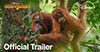
Watch the First Trailer for Disneynature’s ‘Orangutan,’ Premiering on Disney+ on Earth Day A new trailer and key art for Disneynature’s “Orangutan” are now available ahead of the film’s exclusive Disney+ debut on Earth Day, Tuesday, April 22, 2026. Narrated by Disney Legend Josh Gad, the trailer introduces Indah, a young and curious adolescent orangutan who is leaving the nest for the first time and stepping into the rainforest canopy on her own. The film is part of Disney and National Geographic’s “Step into Wonder” Earth Month 2026 campaign, which brings a full slate of nature content to Disney+ and Disney parks throughout April. Disneynature’s “Orangutan” takes viewers into the treetops of a rainforest canopy in Southeast Asia, following a community of orangutans whose personalities are as distinct as their surroundings are breathtaking. At the center of the story is Indah, an inquisitive adolescent orangutan who is preparing to leave her family and make her way in the world for the first time. The film is built around themes of courage, family, and belonging, told through the kind of immersive wildlife filmmaking that has defined the Disneynature brand. The film is directed by Mark Linfield and co-directed by Vanessa Berlowitz. Both Linfield and Berlowitz serve as producers alongside Roy Conli. Original music for the film is composed by Nitin Sawhney. The production of “Orangutan” relied heavily on the expertise and field support of the Ketambe Research Center in Sumatra, one of the world’s longest-running orangutan research stations. The center and its teams provided the filmmakers with guidance and on-the-ground support nearly every day while they were filming in the field. That partnership gave the production access to knowledge and access that would have been impossible to replicate otherwise. The film features exhilarating action sequences, close-up wildlife encounters, and an extensive look at the biodiversity of the jungle surrounding the orangutans’ canopy home. It is the latest in a line of Disneynature films that bring animal stories to life with both cinematic craft and scientific grounding. Read more: fantasylandnews.com/2026/04/02/disneynature-orangutan-trailer-disney-plus-earth-day-2026 Watch the trailer: Disneynature's Orangutan | Stream On Disney+ April 22 Visit: disneyplus.com |
|
How To | Wildlife Filmmaking with Tania Esteban Tania Esteban, wildlife film-maker, is a Wex Ambassador. Here, they say: Today, we are joined by Tania Esteban, a wildlife filmmaker who is guiding us on how to capture wildlife in more suburban and city landscapes, taking us on a deep dive into what you can find with just a little intuition, a camera, and a good zoom lens. How To | Wildlife Filmmaking with Tania Esteban Wex Photo Video: wexphotovideo.com |
|
Nat Geo Selects 2026 Field Ready Cohort As it Expands With Additional Genres; Launches Collaboration With Wildscreen National Geographic has selected its 2026 Field Ready cohort as it expands to include additional genres, including science and exploration, adventure and survival, history, culture and the natural world. A joint initiative of the National Geographic Society and National Geographic Content, part of The Walt Disney Company, Field Ready is a professional development program designed to accelerate the careers of unscripted storytellers through hands-on mentorship, practical training and real-world production experience. Nat Geo has chosen 10 participants with demonstrated experience in photography or film, from seven countries: Brazil, Canada, Democratic Republic of the Congo, Nigeria, Pakistan, Peru and the United States, for the 2026 cohort. Field Ready also will be collaborating with not-for-profit Wildscreen, an international community for natural world storytellers spanning the wildlife film, television and photography industry. Wildscreen will serve as a curriculum partner throughout the five-month program, providing advanced training in filmmaking and photography, and contributing to this year’s in-person bootcamp. In addition to mentoring one of the program grantees, Wildscreen will connect the Field Ready cohort to its network of more than 3,000 storytellers across 60+ countries, opening doors to new learning, exposure and career opportunities. “At its core, Field Ready is about investing in talented storytellers with bold ideas and the drive to bring them to life — a commitment we share with Wildscreen,” said Karen Greenfield, SVP, Inclusive Content & Engagement, National Geographic Content. “As we enter our sixth year, together with our colleagues at National Geographic Society, we’re proud to see how this program continues to evolve — expanding its scope and impact while providing meaningful production experience and unmatched access to creative leaders and networks.” “Lasting careers in unscripted storytelling are built on access to craft, mentorship and connections,” said Lucie Muir, CEO, Wildscreen. “This exceptional cohort of storytellers represents the future of the genre, and we’re excited to stand alongside National Geographic in supporting their journey as they refine their voices, pursue their creative ambitions, and expand their professional horizons.” More here: deadline.com/2026/03/nat-geos-field-ready-program-expands-wildscreen-1236741843 |
|
Foley in Wildlife Films: How Sound Design Brings Nature to Life – Roxy the Zoologist Sound is one of the most powerful tools in wildlife filmmaking, yet much of what we hear in documentaries isn’t recorded in the wild at all. From the subtle rustle of leaves under a fox’s paws to the flap of a bird’s wings, these sounds are often recreated in studios using Foley and sound design. In this video, filmed in collaboration with Wounded Buffalo, we take you behind the scenes of wildlife sound design to show exactly how these immersive audio experiences are created. You’ll learn what Foley is, why filmmakers rely on it to make wildlife feel alive, and how professional sound designers capture and craft every detail that often goes unnoticed by the audience. This educational look at wildlife audio reveals the creative process that transforms raw footage into a fully immersive cinematic experience. From subtle textures to dramatic moments, sound design shapes the way we experience the natural world on screen and understanding it is key to both creating and appreciating great wildlife films. Foley in Wildlife Films: How Sound Design Brings Nature to Life Visit: www.roxythezoologist.com |
|
An intern to NatGeo - Wildlife Filmmaker Sandesh Kadur on the Toehold Masterchat In this edition of the Toehold MasterChat, we are having a wonderful conversation with the legendary wildlife filmmaker, National Geographic Explorer, and trustee Sandesh Kadur. Known for his breathtaking documentaries and relentless passion for conservation, Sandesh shares his journey of visual storytelling, fascinating behind-the-scenes stories from his documentaries, his experience as a NatGeo Explorer and trustee, and much more! An intern to NatGeo - Wildlife Filmmaker Sandesh Kadur on the Toehold Masterchat BTS Video Credits : @FelisCreationsTV |
|
Silverback, James Cameron's Secrets of the Bees National Geographic has announced the next instalments of the Emmy-winning “Secrets of” franchise, Secrets of the Bees, with all episodes streaming April 1 on Disney+.and National Geographic WILD. Secrets of the Bees is produced by Silverback Films and James Cameron’s Lightstorm Earth Hosted and narrated by explorer Bertie Gregory, Secrets of the Bees uses groundbreaking filming technology to reveal the extraordinary world of bees. With the expertise of entomologist and fellow National Geographic Explorer Dr. Samuel Ramsey, the series uncovers their astonishing architecture and intelligence, unlocking their secrets and featuring never-before-filmed moments. For its fifth anniversary, ‘Secrets of’ turns its lens to one of Earth’s smallest yet most vital heroes: bees,” says executive producer James Cameron. “Far more than pollinators, bees are socially complex, fast-thinking individuals and the most important insects on our planet. Their impact on the natural world and humanity is immeasurable, and we’re only just beginning to see how extraordinary they truly are.” National Geographic’s Secrets of the Bees will kick off its Earth Month initiative in April 2026. Secrets of the Bees is produced by Silverback Films for National Geographic. Emmy Award-winners James Cameron and Maria Wilhelm for Lightstorm Earth are executive producers. For Silverback Films, Alastair Fothergill and Huw Cordey serve as series producers, and Nadége Laici serves as producer and director. Pam Caragol is executive producer for National Geographic. Secrets of the Bees | Official Trailer | Narrated by Bertie Gregory | National Geographic From: televisual.com/news/silverback-james-camerons-secrets-of-the-bees |
|
Michael Sheen narrates new climate change film Actor Michael Sheen narrates a new film that aims to improve the way climate change is discussed in schools. You Told Us To Talk About the Weather, launching nationwide today, 5th March 2026, was shot on a rewilded farm at the Westacre Estate, external near King's Lynn in Norfolk. It was written in collaboration with young farmers and it questions why discussions about the weather are so common, in contrast to discussions about climate change. Environmental campaign group the Climate Majority Project, hopes the five-minute film will help pupils and teachers speak "honestly and sensitively" about the issue. It stars young Norfolk actor Hemi Grimsby, Ben Mansfield, who appeared in sci-fi drama Primeval, and Florence Wright, who was in the film The Flash. It was written by King's Lynn-born playwright Emma-Louise Howell, who spent time speaking to young farmers in the county about their experience of climate change. She said: "They really were engaged in it and they were almost shouting into a void saying 'we have got a bit of an answer, working with nature'. "You can't control the weather, but they are having to adjust every single day to the shift in climate. "It's not conceptual to them." Read more: bbc.co.uk/news/articles/c4g5570lqp9o You Told Us To Talk About The Weather - Climate Short Explore the poetry pamphlet here: talkabouttheweather.net |
|
Documentary+ Streaming for Earth Day Documentary+ Partners with acTVe for Major Earth Day Launch Global streaming service Documentary+ has announced a major expansion and a dedicated library launch set for Earth Day, April 22nd , following its recent acquisition by acTVe . The platform, which has already established a presence in over 70 countries, is positioning itself as the "Netflix of documentaries" under the new leadership of CEO Geoff Clark. A New Home for Eco-Cinema The Earth Day launch is part of a broader strategy to provide a distribution "solution" for feature-length and short films that haven't yet found a home on major streaming platforms. The new library will focus specifically on films about our planet, backed by a promotion strategy involving:
The acquisition by acTVe—a West Hollywood-based FAST (Free Ad-supported Streaming TV) operator—aims to scale Documentary+ into the definitive global destination for non-fiction storytelling. The service remains free to users and is available across major connected TV platforms, mobile devices, and the web. Filmmakers with relevant projects are being encouraged to reach out to the team to be included. |
|
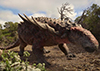
The Dinosaurs review – Morgan Freeman’s narration is so soothing, you could use this as a relaxation aid Yes, there are plenty of big-budget visual effects of prehistoric creatures in Steven Spielberg’s natural history show. But the voiceover is the real draw. It’s difficult these days to make a nature documentary that isn’t like all the others. Spectacular landscapes, crisp closeup photography, tales of predation and survival, birth and death: whether you go for Pixar cuteness, crimson claws or environmental crisis, it’s been done 100 times before. Watching The Dinosaurs, it’s hard not to sense the same problem starting to affect factual shows about the animal kingdom as it was millions of years ago. Impressive as it is that big-money dino documentaries boast visual effects that look similar to footage of Earth today, we are getting used to it. Before the opening titles roll, cliches from two genres have been cross-bred. From regular animal shows, there’s the one where a lone male tries to muscle in on a family unit, forcing the existing patriarch to fight for his status against a younger, stronger rival. Our friend who looks as if he’s about to be fatally pushed aside is a pachycephalosaurus, but the dynamic is the same. Then the two males’ head-smashing battle is interrupted by a familiar sight from dinosaur documentaries: the animal posing a threat is suddenly bitten in two by a Tyrannosaurus rex, leaping unbidden through the undergrowth with a camp flourish. The pachycephalosaurus clan, led by their relieved dad, scurry happily away to the sound of the interloper’s cracking skull. On voiceover is Morgan Freeman, a reliable provider of grand Hollywood vibes whose gravelly folk-tale delivery is starting to slide into self-parody, but no less pleasing for that. He has a lovely habit of bringing us home in the last half-syllable of a line by modulating down into a bassy growl, not unlike the satisfied sigh of a sated apex predator. With him talking us through it, you could conceivably use the audio of The Dinosaurs as a relaxation tape.
Visit: netflix.com/tudum/videos/the-dinosaurs-trailer The Dinosaurs premieres on March 6 on Netflix. |
|
My Garden of a Thousand Bees review – a joyous film on the unbearable lightness of bee-ing This gasp-inducing documentary shows a man buzzing over the remarkable insects that bumble around his garden … and ended up changing his life Martin Dohrn likes bees. Big bees, small bees, angry bees, randy bees, bees with voluminous ruffs and calves like tiny Henry VIIIs – rare is the bee that Dohrn doesn’t deem worthy of … what, exactly? Appreciation? Or something more profound? “It’s hard to explain,” says the veteran wildlife photographer, peering at us through his red-framed glasses while perched at his gadget-strewn kitchen table. “But I really feel for bees. They’re really … I mean, I could say they’re my friends.” And why not? If My Garden of a Thousand Bees has a theme (other than “bees”), it’s that companionship can thrive in the least likely places. The least likely place in this instance being a small patch of urban Bristol, where the spring and summer of 2020 found Dohrn directing his expertly modified bumble-cams at the 60+ species of bee that frequented his back garden. We meet the wool carder bee, with its bald back and ferocious aerial combat skills; the ashy mining bee, with its exhausted waddle and washed-out pelt, like a bumblebee that’s spent the last four decades grumbling about the ex-missus on a bench outside Ladbrokes; and the red-tailed mason bee, which builds its nest in an empty snail shell before topping it with a hipsterish dried-grass wigwam. I imagine a lightly pyjama’ed Kevin McCloud, watching at home, permitting himself a nod of admiration. They’re all here, bumbling through the hazy Bristol sunshine while Dohrn, face scrunched up as he watches through his state-of-the-art magnifying lens, says things like “wow”, “yes” and “oh man, will you look at that!”. Bees live in “a completely different dimension”, he says. Et voilà, a “time-stretching” approach to film-making that results in gasp-inducing detail and a soundtrack pitched somewhere between a bustling heliport and a distant conversation between drunken lawnmowers. There is something pleasantly bee-like about Dohrn’s award-winning film, too. A leisurely thing, it drifts woozily around the photographer’s garden, picking up facts here and there and storing them like pollen in little pouches on the backs of its thighs. Not too many facts, mind. This is no place for statistics or percentages. The photographer’s narrative bag is an altogether looser affair, with as many shrugs and ellipses as there are firm specifics on, say, the climate crisis: “All over the world, bees are declining” is all we get on the doom-boffin front. Consequently, Dohrn – an affable, wistful sort who wears a range of crumpled action-shorts and calls us “mate” – often appears as awestruck and bewildered by his hairy quarry as we do. Enter an industrious leafcutter bee called Nicky. Dohrn is smitten.He leans towards her nest, nose filling the screen like a nostrilly Jupiter.They bond. “I could tell she was looking at me. Does she know these are my eyes?” he asks, pointing at his eyes. “Scientists have shown that honeybees can recognise individual people, so why wouldn’t she?” Read more: theguardian.com/tv-and-radio/2026/mar/25/my-garden-of-a-thousand-bees-review-bbc-four-iplayer
Watch on iPlayer: bbc.co.uk/iplayer/episode/m002t686/my-garden-of-a-thousand-bees |
|
PBS sets April premiere for two-part climate doc copro “Our New World” American pubcaster PBS has revealed details about a new two-part documentary series focused on climate change, Our New World, which will air on April 1 and 8 on PBS, PBS.org and the PBS app. As the title suggests, the two-parter explores the issue of a planet undergoing rapid and profound changes. Ecosystems around the world are transforming, resulting in animals and plants moving in search of more suitable conditions as their behaviors evolve to adapt to a changing climate. Using VFX, the series reveals the transformation of landscapes — the migration of forests, the journey of corals, the greening of mountains after the retreat of glaciers and other changes that are reshaping the planet — and features experts from all over the world, including shepherds, fishers and conservationists confronted with the transformation of their natural environments. Our New World is a coproduction of Boréales, Terra Mater Factual Studios GmbH, Lonfish Films, France Télévisions, Ushuaia TV, Radio Télévision Suisse (RTS) and Federation Studios. The producers are Fred Fougea, Gilles Dufraisse, Sabine Holzer and Birgit Peters, and the executive in charge for PBS is Diana El-Osta. The series was made possible in part by a grant from Anne Ray Foundation. Other funders include Centre National du Cinéma et de l’image animée and Société Producteurs Cinéma et Télévision. From: realscreen.com/2026/03/06/pbs-sets-april-premiere-for-two-part-climate-doc-copro-our-new-world |
|
PBS slates four-part “Shared Planet” for April premiere PBS has slated the premiere of the wildlife docuseries Shared Planet for April 29. The series (4 x 60 min., pictured), filmed in 8K, spans dozens of countries and features individuals from all walks of life and explores how people and wildlife can thrive together in every ecosystem. The series will stream simultaneously with broadcast and be available on all station-branded PBS platforms, including PBS’ website and app. The four-parter originally premiered in Canada in early 2025 as part of CBC’s long-running ‘The Nature of Things’ science and nature strand. The first episode, “Cities,” is produced and directed by Geordie Trifa; “Open Spaces” by Chelsea Turner; “Forests” by Louise Ferguson; and the final episode, “Waterss” is produced and directed by Jeff Turner. Shared Planet is produced by Shared Planet Productions Ltd. in association with CBC. It is executive produced by Neil Nightingale, former creative director of BBC Earth, and Jeff Turner, founder of Vancouver-based River Road Films. The series is written by David Fowler, Chelsea Turner and Jeff Turner. From: realscreen.com/2026/03/17/pbs-slates-four-part-shared-planet-for-april-premiere |
|
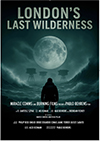
Selected cinema release for Pablo Behrens´ London's Last Wilderness It has been confirmed that the film London's Last Wilderness will receive a selected cinema release in England starting April 24th. The film is about a region closest to the capital but hiding in plain sight. It is an ecological and cosmological powerhouse that has been filmed during four years from land, sea and sky for the first time ever. Visit here for more info: www.londonslastwilderness.com |
|
Samuel West, Adrian Edmondson go birding for 5 5 has commissioned Sam & Ade Go Birding (w/t), a new three-part factual series produced by Frank Films, following actors Samuel West and Adrian Edmondson as they head off some weekend adventures around the country to spot and celebrate Britain’s birds. The series was commissioned by Kit Morey for 5.. Sam & Ade Go Birding (w/t)follows good friends Samuel West (All Creatures Great & Small, Slow Horses) and Adrian Edmondson (Alien: Earth, A Spy Among Friends) on a spectacular birdwatching quest across the British Isles. For Sam, birding is a long-standing passion – he’s been recording his sightings for twenty years and has now seen over 400 British species, though he’ll always grab any opportunity to add to his list. For Adrian, the hobby is something new: he’s bird-curious. Despite living in the countryside for more than twenty years, Ade’s frustrated not to know more about the birds around him and now wants to learn with his enthusiastic friend – if they can stop for lunch, stay in a nice cottage and have the odd pint along the way. Read more: televisual.com/news/samuel-west-adrian-edmondson-go-birding-for-5 |
|
Alleycats takes Ronan Keating to Irish west coast Alleycats TV has produced Ronan Keating’s Wild Atlantic for BBC Northern Ireland and BBC Daytime. In the show, Keating travels the west coast of Ireland as he visits Cork, Kerry, Mayo, Sligo, Donegal and Londonderry. Throughout the series Ronan will be joined by family members and special guests including Westlife’s Shane Filan, artist Terry Bradley and comedian Diona Doherty. He begins his journey along the Wild Atlantic Way in County Cork, where he is joined by nephew Ruairí as the pair go head-to-head in the traditional Irish sport of road bowling. The next stop is County Kerry, where Ronan fulfills some sporting dreams on the hurling pitch and catches up with his brother Gary to head out for some fishing on Killarney’s Lough Leane. Read more: televisual.com/news/alleycats-takes-ronan-keating-to-irish-west-coast |
|
Big Media licenses “Leviathan” doc to EarthX Big Media has licensed its 90-minute doc Leviathan: Whale and Man to U.S.-based conservation and sustainability-focused EarthX. The film (pictured) will have its North American debut on Earth Day, April 22 across EarthX’s cable and FAST channels. Directed by Steve Lichtag, the doc combines marine science, historical perspective and cinematic storytelling to investigate phenomena such as rare whale sightings, mass strandings and surprising predator-prey interactions — including great white sharks increasingly hunted by orcas — while questioning how modern conservation priorities may be impacting the balance of marine life. The 2025 documentary was coproduced with Twin Star Film. Ronan Hand wrote the doc and executive produced it alongside Martin Kase, Jon Loew, Tomas Rotnagl and Danny Wilk. Lichtag served as producer alongside Linda Prusova as coordinating producer. From: realscreen.com/2026/03/19/big-media-licenses-leviathan-doc-to-earthx |
|
ORF slates updated version of award-winning doc “Radioactive Wolves” ORF Universum Nature is set to release an updated version of the 2011 documentary Radioactive Wolves this April. Directed by Klaus Feichtenberger and produced as an international coproduction by ORF, epo film, WNET and NDR, the 52-minute Radioactive Wolves was the first documentary to thoroughly explore the Chernobyl Exclusion Zone four decades after the 1986 nuclear disaster. It followed Christoph and Barbara Promberger as they investigated how wolves survived in a radioactive landscape. Radioactive Wolves – Chernobyl’s Forbidden Wilderness revisits the Exclusion Zone 40 years after the nuclear disaster and focuses on how the Russian invasion of Ukraine has affected both the ecosystem and decades of scientific research, in what had turned into a militarized zone in 2022. The film combines newly gathered scientific information, expert interviews and fresh footage from the region to show how military activity has reshaped the landscape and disrupted long-term scientific work. A film team travelled to Ukraine in winter 2026 to capture the damage to research sites, the interruption of ecological studies and the impact on scientists such as Maryna Shkwyrja, who was forced to abandon over a decade of wolf research. The doc won Best Wildlife Habitat Program at the Jackson Wild film festival in 2011. ORF-Enterprise holds worldwide rights to the doc. From: realscreen.com/2026/03/20/orf-slates-updated-version-of-award-winning-doc-radioactive-wolves |
|
Watch the Director’s Cut of CHASING TIME! The 40-minute Director's Cut of Chasing Time is officially available to stream for free on YouTube! In honor of World Day for Glaciers, we invite you to experience Chasing Time the way the creators of the film intended. This full-length, 40 minute Director's Cut of the film reflects the full artistic visions of co-directors Jeff Orlowski-Yang (The Social Dilemma, Chasing Coral, and Chasing Ice) and Sarah Keo. This is also the version of Chasing Time that made the 2026 Academy Awards Shortlist for Best Documentary Short and has been screened at film festivals worldwide. Chasing Time follows photographer James Balog and his team as they bring to a close the wide-ranging, ground-based photographic study of glaciers. Throughout the film, James and his team reflect on the legacy their efforts have left on the world and embrace the truth that combating climate change isn't a sprint but a relay race. Watch:
Visit: exposurelabs.com |
|
Why AI-generated wildlife imagery is a conservation crisis In the world of wildlife photography there is a sacred pact between the photographer and the viewer. A promise of a real moment, stuck in time. It is the result of hours of patience, a deep understanding of animal behaviour, and often, significant physical hardship. But that pact is being broken. From the dusty plains of the savannas to the emerald hues of the ocean, a new predator has emerged: generative AI. While we marvel at the technical “perfection” of AI-generated animals, we are witnessing the slow death of authentic storytelling. When we replace real photography with synthetic pixels, we aren’t just creating “content”, we are eroding the very foundation of conservation. Social media now overflows with incredible wildlife moments: a lioness placing her newborn cub inside a safari vehicle beside a tourist for protection from hyenas, an elephant reaching out to touch a child’s hand, or a wild cheetah calmly resting on a picnic blanket. These scenes may seem heartwarming or awe-inspiring, but many are entirely fabricated by artificial intelligence and presented as reality. This is not harmless entertainment. It threatens how people perceive wildlife and, ultimately, global conservation efforts. The consequences are already unfolding. A case in point: when the industry responds Recently, an influencer posted AI-generated images of herself posing with baby leopards and lions. When I first saw the content, I called it out publicly by sharing it in my Instagram stories and commenting on the post. I also reached out privately, explaining the harm this imagery causes. It normalises interactions with cubs, fuels exploitative tourism and undermines decades of conservation messaging. Hundreds of others in the conservation community joined in, privately and publicly, attempting to educate. Her response? She refused to acknowledge the problem and instead accused critics of sabotaging her business, claiming harassment and bad faith. Read more: dailymaverick.co.za/article/2026-03-22-why-ai-generated-wildlife-imagery-is-a-conservation-crisis |
|
Hamza Yassin believes his dyslexia was the secret weapon to winning Strictly Wildlife cameraman and presenter Hamza Yassin – who has dyslexia – was crowned winner of Strictly Come Dancing 2022. He believes his learning difference is a unique “gift” and could have been his secret weapon in lifting the glitterball trophy. What Hamza Yassin’s Strictly Win Revealed About Dyslexia When Hamza Yassin lifted the Glitterball Trophy in December 2022, most of the attention went to his warmth, his timing and the fact that a wildlife cameraman had just won one of the biggest entertainment shows on British television. But there was another reason the moment landed so strongly. Millions of viewers were watching a dyslexic man take on an intense, technical competition and make it look joyful. That matters because dyslexia is still widely misunderstood. People often reduce it to reading, spelling and classroom struggles, when the reality is much broader than that. Learning dance routines on Strictly meant taking in instructions at speed, remembering sequences, counting steps and repeating them under pressure. For someone who processes information differently, that can bring extra barriers. Hamza spoke openly about using his own methods to remember routines, drawing on visual memory and the kind of careful observation that has shaped his work in wildlife filmmaking. His time on Strictly gave people a rare chance to see dyslexia in a fuller, more realistic way. Not as a neat story about “overcoming” something, but as part of how a person thinks, works and responds to the world around them. The same qualities that help Hamza in the field — noticing patterns, reading his surroundings and staying steady in unpredictable situations — also helped him on the dancefloor. There is a bigger picture here too. Dyslexia affects a significant number of people across the UK, yet many still go through school, work and adult life without proper recognition or support. Plenty of viewers watching Hamza win will have known exactly what that feels like. They may have spent years being treated as though they were not trying hard enough, when the real issue was that the world around them was not set up for the way they learn What made Hamza’s story especially powerful was that his talent came first. He was already respected because he is brilliant at what he does. The conversation about dyslexia added depth to that public image rather than defining it. That changes how people respond. Instead of seeing dyslexia as a limit, they were watching it sit alongside skill, confidence and success in plain view. |
|
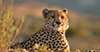
ZDF Studios Boards “Cheetah Fast & Wild” for Global Distribution Wildlife documentary spotlighting groundbreaking cheetah conservation secures worldwide sales rights ahead of international rollout. ZDF Studios has secured the worldwide distribution rights, excluding Canada, for the wildlife documentary “Cheetah Fast & Wild.” The one-hour film, produced by Fast Cat Films for CBC with the support of the Canada Media Fund, presents a rare conservation success story: for the first time, captive-reared cheetahs are being trained to become wild hunters and reintroduced into natural ecosystems. Nikolas Hülbusch, Director Unscripted at ZDF Studios, said: “‘Cheetah Fast & Wild’ is a powerful example of how innovative conservation can drive real change. We are delighted to bring this inspiring and visually stunning documentary to international audiences.” Joe Kennedy, director and cinematographer at Fast Cat Films, added: “This film tells a story many believed was impossible. Watching these cheetahs learn to survive in the wild is deeply moving and offers real hope for the future of the species.”. The documentary follows two orphaned cheetah sisters, Lilly and Iris, as they attempt to transition from captivity to life in the wild within a South African wildlife reserve. Orphaned at just three months old after their mother was killed by lions, the sisters spent 19 months in captivity before being given the opportunity to return to the wild through a pioneering “wilding” programme developed by Ashia Cheetah Conservation. Established only a few years ago, Ashia has challenged conventional thinking with its innovative approach to training captive-raised cheetahs for survival in natural habitats. The film addresses a long-standing scientific consensus that captive-raised cheetahs cannot learn to hunt due to their lack of early-life exposure to the wild and maternal teaching. Without learning how to stalk and chase prey, experts have argued that such cheetahs would be unlikely to survive if released. Read more: .com/en/content/zdf-studios-boards-cheetah-fast-wild-for-global-distribution |
|
BBC Studios to launch of BBC Earth in french language on CANAL+ next April The new French-language feed will bring BBC Studios’ award-winning factual catalogue to millions of additional viewers, offering a breathtaking window into the natural world, pioneering scientific documentaries and extraordinary human stories. BBC Studios announced that premium factual channel BBC Earth will launch in French for the first time in Africa on CANAL+ this April. The launch will bring world-class natural history programming and premium factual storytelling to a wider African audience, giving 22 French-speaking Sub-Saharan African countries access to the channel. The new French-language feed will bring BBC Studios’ award-winning factual catalogue to millions of additional viewers, offering a breathtaking window into the natural world, pioneering scientific documentaries and extraordinary human stories. At launch, BBC Earth will present a standout line-up of landmark natural history series and powerful documentaries from BBC Studios’ acclaimed factual library. Viewers can expect celebrated productions from the BBC Studios Natural History Unit, including "Seven Worlds, One Planet", "The Green Planet", "Frozen Planet II" and "Blue Planet II", all narrated by Sir David Attenborough. The channel line-up also features a wide selection of specialist wildlife documentaries such as "Natural World: Giraffes – Africa’s Gentle Giants", "My Congo", "Cheetah Family and Me" and "Natural World: Cheetahs Growing Up Fast", offering intimate portraits of remarkable species and the people working to protect them. Global series including "Africa", "Earth", "Universe" and "The Planets" will also be available on the channel, providing perspectives on the natural world. Adventure and exploration are also central to the channel, with titles such as "Where the Wild Men Are", "Life Below Zero", "Arctic with Bruce Parry" and "Steve Backshall’s Extreme River Challenge" taking viewers into some of the world’s most remote and challenging environments. The channel’s programming will be dubbed in French and feature expertly curated scheduling tailored to the interests and viewing habits of Francophone markets. Read more: senalnews.com/en/content/bbc-studios-to-launch-of-bbc-earth-in-french-language-on-canal-next-april |
























|
How McDonald's Built a Disposable Society The Story of Stuff´s newest investigative short documentary is out now! Watch McPlaybook: How McDonald’s Built a Disposable Society now on YouTube. For decades, McDonald’s has pushed single-use packaging—backed by big marketing, lobbying, and misleading narratives—while sidestepping responsibility. McPlaybook uncovers how those same tactics are still showing up today.
Ready to hold the fast food giant accountable? Take action and tell McDonald’s: stop interfering with reusable packaging laws: action.storyofstuff.org/sign/social-mcdonalds-dont-hamburglar-reusable-packaging |
|
AI & ANIMALS | Will the AI Revolution Save or Destroy Billions of Animals? As the world debates how Artificial Intelligence will affect human jobs, security, and even our survival, a far bigger and largely ignored question remains: What will AI mean for animals? In AI & ANIMALS, a groundbreaking new documentary by @AnimalEthics, leading thinkers explore how AI could either become the ultimate tool for animal exploitation — or one of the most powerful forces ever created to reduce animal suffering. Featuring insights from world-renowned ethicists including Peter Singer (Princeton University), Jonathan Birch (London School of Economics), and Jeff Sebo (New York University), the film argues that we are in a narrow and rapidly closing window of opportunity. The decisions made in the next few years may shape the fate of trillions of sentient beings. New Documentary: AI & ANIMALS | Will the AI Revolution Save or Destroy Billions of Animals? Via: plantbasednews.org/news/ai-and-animals-documentary-factory-farming Find out more here: www.aiandanimals.org & www.animal-ethics.org |
|
Seantience | A Documentary about the sentience of aquatic animals Seantience is a short documentary, produced by Animal Ethics and directed by Xiana Castro, exploring the sentience of aquatic animals, including invertebrates. Awarded Best Cinematography at FICAA and selected for the SUNCINE International Environmental Film Festival. This documentary is part of an international campaign to raise awareness about some of the most neglected and exploited animals on the planet. Seantience | A Documentary about the sentience of aquatic animals Visit seantience.org to access reports and resources. |
|
‘Sentient’ review: Powerful, challenging exploration of biomedical animal testing Tony Jones’ hot-button film plays Thessaloniki Documentary Film Festival after a Sundance premiere Sentient is a title that cuts both ways in the directorial debut from veteran Australian journalist Tony Jones, which takes an emotionally powerful but nuanced and discursive approach to the world of biomedical animal testing. While being “capable of sensing or feeling” may initially seem to be a reference to the primates that are the chief focus of the film, it soon becomes apparent that the ability of scientists and lab workers to feel what the animals are going through, and the lasting impact that has on them, is just as vital a part of this debate. The documentary premiered at Sundance and takes its European bow at Thessaloniki Documentary Film Festival in the Newcomers Competition. Jones’s rigorous approach to the subject – including shocking undercover footage from private laboratories – means this is often a difficult watch, but the empathy towards the primates and their handlers shines through. Like 2013 Bafta-nominated captive killer whale documentary Blackfish, it lays out a complex and thorough argument that is likely to fuel debate, and could well secure further festival play and specialist distribution. At the heart of Sentient is Dr Lisa Jones-Engel, an expert primate scientist who began working with the animals when she was a teenager and went on to forge a scientific career of lab and field work that involved testing drugs on chimpanzees and macaque monkeys. Now, however, she says she feels “profound shame” about that work, and believes we should end animal testing. Jones films Jones-Engel as she watches footage of herself, first as a surrogate mother to young chimps at the start of her career and then, with her medical doctor husband and daughters as helpmates, on trap and release research overseas. Her physical emotional reactions say just as much about the lasting impact of her career on her psychology as her verbal observations. |


For more Vegan Film News, visit: wildlife-film.com/vegan.html


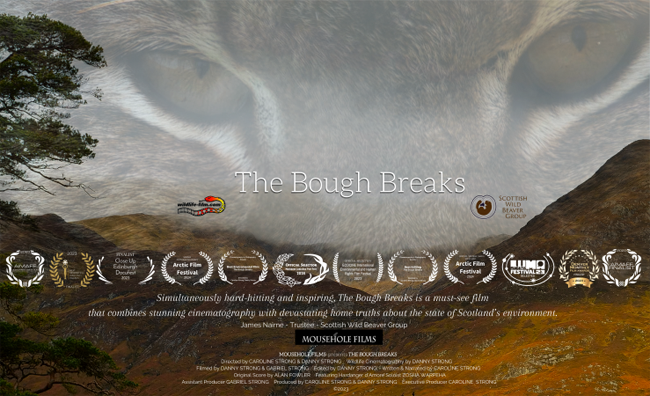


Find a Wildlife Film Freelancer Find a Wildlife Film Organisation
|

























































Please send in YOUR news for the next issue to the editor: news@wildlife-film.com |
Disclaimer: Wildlife Film News publishes information and opinions as a service to its readers. Wildlife-film.com |
