 Wildlife Film News
|


|
Welcome to our Newest Full Members! A journalist and environmental activist who uses digital media as a platform to deliver content to a wider audience. Check out her CV here: www.wildlife-film.com/freelancers/cv/EllaGatfieldCV.pdf |
|
An enthusiastic and friendly film-maker with a history of working in varying fields from sales to conservation. Passionate about accelerating sustainable and environmental change through inspiration and education. Skilled in communicating ideas, strengthening teamwork and building relationships. Continuously strengthening his wildlife photography and filmmaking whilst assisting on conservation any way that he can. Visit his website: www.peterselway.com |
|
A film scoring composer looking feedback on his contribution to From N'Djamena to Tibesti. The film, produced for Rai in Italy in 2017, documents travelling in the North-West of the Sahara. Email him with your thoughts/suggestions or job offers! |
|
An entry level film maker from Aberdeen, Scotland who is interested in camera operating and cinematography for natural history. He would like to work entry level jobs and assistant work to make my way up in the industry. He has much experience in camera operating, time lapses and editing.
Join them, become a full member here: Wildlife-film.com/freelancers or Wildlife-film.com/companies |




 |
Tweet |

|
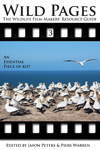
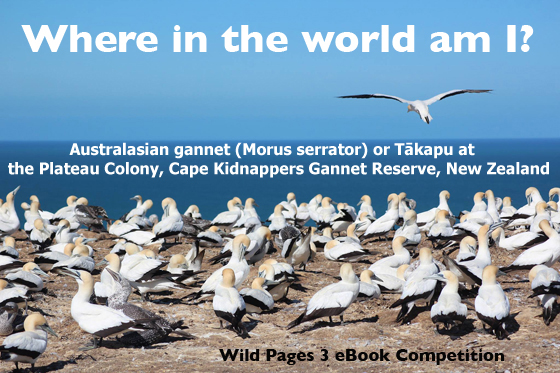
The winners of our Wild Pages: The Wildlife Film-makers' Resource Guide 3 competition are ... What is the species of gannet and what is the exact location of the colony shown on the front cover of Wild Pages 3? We had two correct answers and we were so impressed, as it was a really difficult question, that we've decided to award both entrants a copy of Wild Pages 3! The correct answers are: Australasian gannet (Morus serrator) or Takapu at the Plateau Colony, Cape Kidnappers Gannet Reserve, New Zealand. The winners are: Manjiri Maindarkar from India & Dimitris Rad from Greece ... Congratulations and well done to both!!
Other entries included: You can order a copy via an online store of your choice here: www.wildeye.co.uk/wild-pages You can order it as a paperback from many online bookstores all over the world (RRP £14.95). For example, it is available from The Book Depository and Wordery with free worldwide delivery . Also Amazon.co.uk & Amazon.com for paperback and Kindle versions. Please also 'Like' the publication on Facebook.com/WildPages and 'Follow' on Twitter: @Wild_Pages |

|
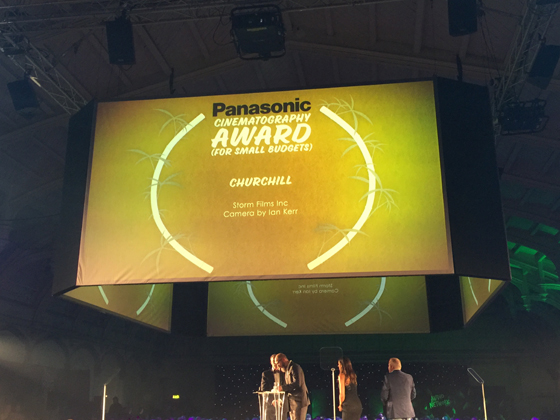
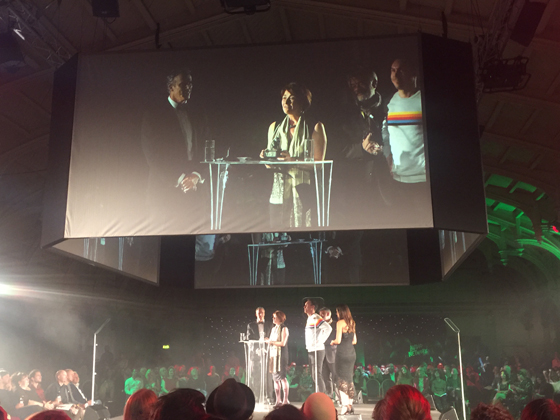
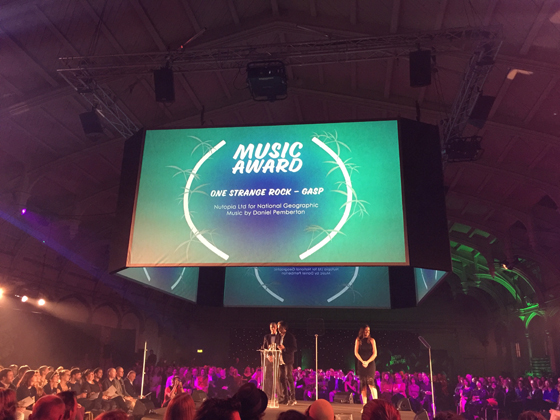
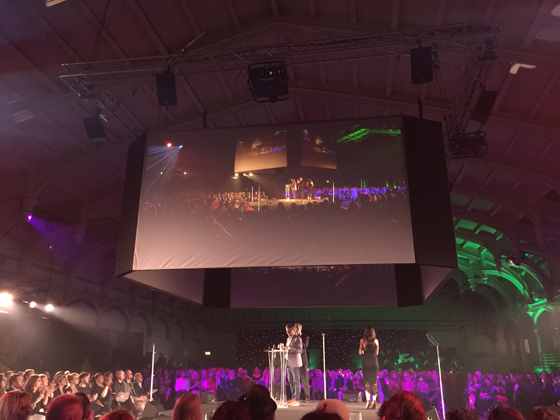
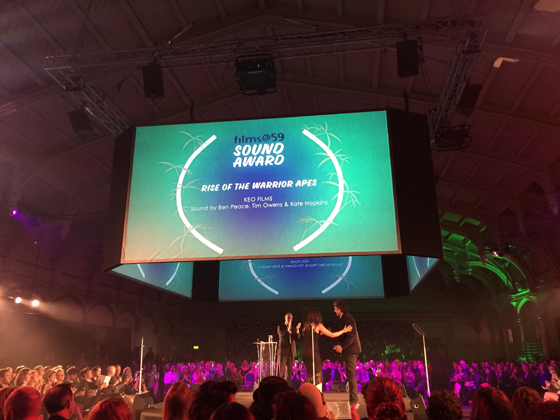
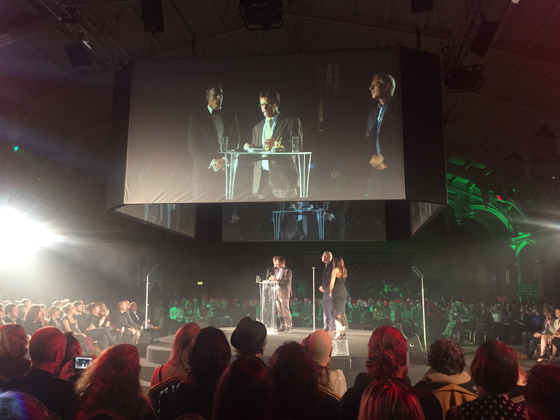
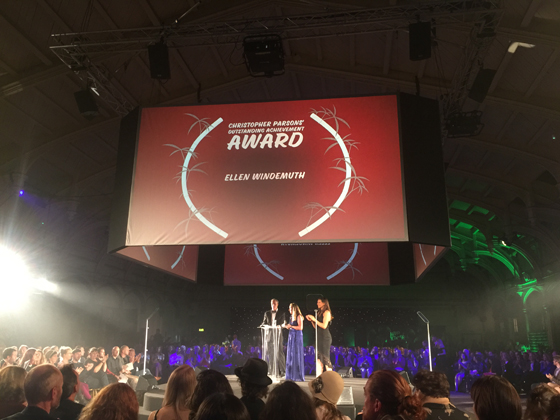
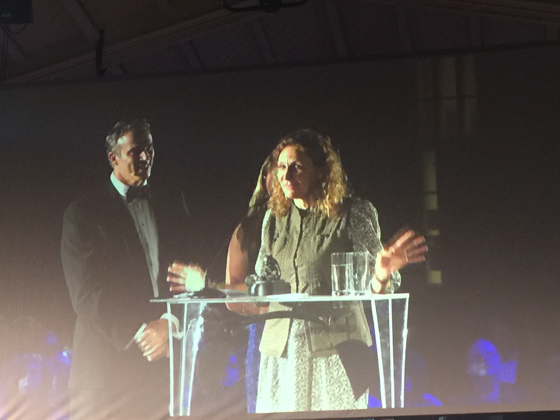
Wildscreen Panda Awards 2018 Winners Announced! Rise of the Warrior Apes, Blue Planet II and One Strange Rock lead the way at the 2018 Wildscreen Panda Awards A gripping feature documentary, which follows a chilling political and social drama set amongst the world’s largest troop of chimpanzees, tonight walked away with the most coveted international prize in the international wildlife film and TV genre – the WWF Golden Panda Award. RISE OF THE WARRIOR APES – produced by Keo Films, stood out amongst the 37 other finalists from 12 countries to claim not only the Golden Panda but also walked away with the Script Award and Films at 59 Sound Award. Set in Ngogo, Uganda, the epic story is told through the accounts of scientists who themselves witnessed and recorded the chilling events as they unfolded over two decades. Elsewhere, National Geographic’s ONE STRANGE ROCK, which tells the extraordinary story of Earth, swept the board in each of the three categories for which it was nominated – Innovation, Music and the Doghouse Editing Award. Despite receiving the most nominations, BLUE PLANET II walked away with three trophies – ORF Animal Behaviour, Panasonic Cinematography (large budget) and the National Geographic Series Award. For the first time in the 36 year history of the Awards, the Outstanding Achievement Award was awarded to a women. Ellen Windemuth, Founder and CEO of Off The Fence Productions, received the award in honour of her dedication to and innovation within the natural world storytelling genre. The 2018 roll of honour also included the first ever photography awards, immersing the craft fully within the 36 year old industry awards. The Animal Friends Photo Story Award went to Australian photographer Doug Gimesy for his story documenting the plight of one of the world’s largest bats, the grey-headed flying fox. And twenty-six year old Brit, Luke Massey, walked away with the inaugural Emerging Talent Photo Story Award for his story following the lives of two peregrine falcons who have made their home amongst Chicago’s skyscrapers. The finalists and winners of the Animal Friends Photo Story Awards are currently featured in a free, large-scale outdoor exhibition located on College Green, Bristol, until 7 November. Lucie Muir, CEO of Wildscreen, said: “Humanity’s impact, interaction and stewardship of nature, whether it be on a local or planetary scale, was a consistent message weaved throughout the entries, finalists and winners of the 2018 Panda Awards competition. And for the Panda Awards themselves, we are thrilled for a year of firsts, with the role of women and photography in the global storytelling community being recognised. But most importantly, the awards underline the power of authentic voices, whether they be of scientists, filmmakers or everyday people, to tell the most extraordinary stories, in their own words, and the power those stories have to reach the hearts and minds of others for the benefit of the natural world.” The Wildscreen Panda Awards ceremony 2018 was hosted by television presenter Lizzie Daly and United Nations Patron of the Oceans, Lewis Pugh. The ceremony, hosted at The Passenger Shed, concludes the 2018 Wildscreen Festival – the world’s biggest global gathering of natural world storytellers. Held in Bristol, the biennial event convenes more than 900 filmmakers, photographers, broadcasters and content creators, from over 40 countries, for an unrivalled programme of 130 events, featuring 180 industry thought-leaders. Principal sponsors of the Wildscreen Festival 2018 are BBC Studios, Disneynature, Love Nature, National Geographic and Terra Mater Factual Studios.
The full roll of Wildscreen Panda Award winners is:
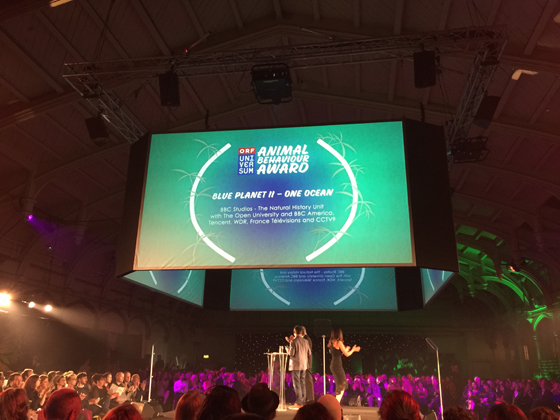
ORF UNIVERSUM ANIMAL BEHAVIOUR AWARD
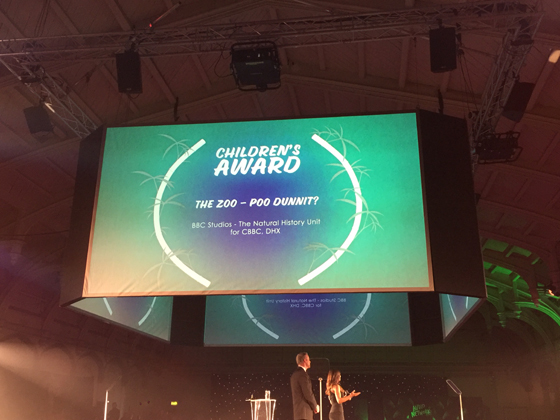
Blue Planet II - One Ocean CHILDREN’S AWARD
The Zoo - Poo Dunnit?
PANASONIC CINEMATOGRAPHY AWARD (large budget) Blue Planet II - One Ocean
PANASONIC CINEMATOGRAPHY AWARD (small budget)
DOGHOUSE EDITING AWARD
One Strange Rock - Gasp
ICON FILMS EMERGING TALENT AWARD
Mahmoud Mansouri
For the film In the Realm of the Spider-tailed Viper
INNOVATION AWARD
One Strange Rock - Home
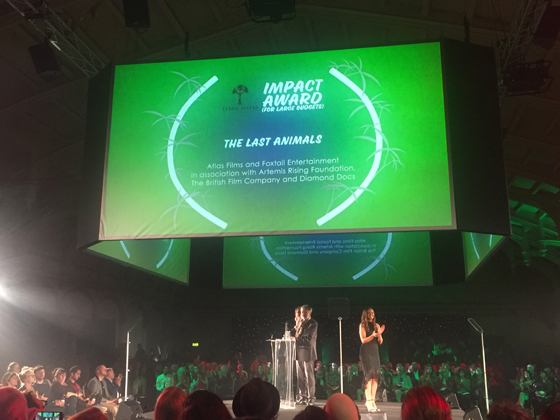
TERRA MATER FACTUAL STUDIOS IMPACT AWARD (large budget)
The Last Animals
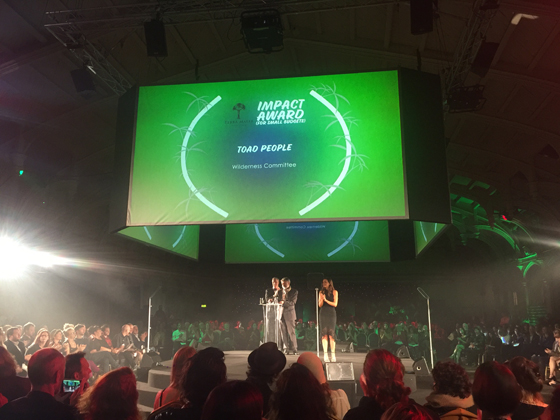
TERRA MATER FACTUAL STUDIOS IMPACT AWARD (small budget)
Toad People
MUSIC AWARD
One Strange Rock - Gasp
BBC STUDIOS PEOPLE AND NATURE AWARD
Jane ANIMAL FRIENDS PHOTO STORY AWARD
Rescuing the Night Gardeners - Doug Gimesy ANIMAL FRIENDS PHOTO STORY AWARD FOR EMERGING TALENT
High Rise Falcons - Luke Massey
UWE POPULAR BROADCAST AWARD
RARE: Creatures of the Photo Ark - Episode 1
PRESENTER AWARD
My Congo
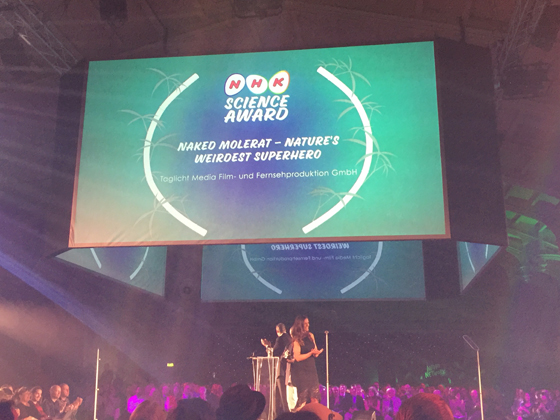
NHK SCIENCE AWARD
Naked Molerat - Nature’s Weirdest Superhero SCRIPT AWARD
Rise of the Warrior Apes
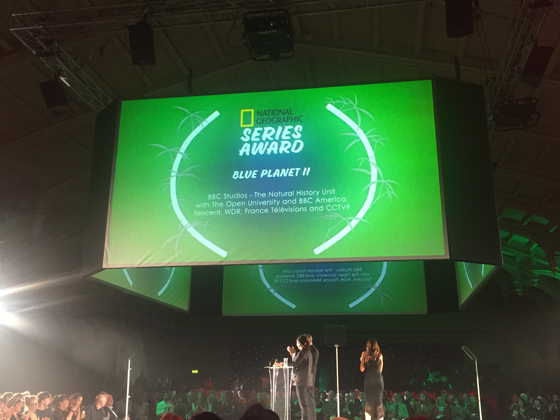
NATIONAL GEOGRAPHIC SERIES AWARD
Blue Planet II
NHNZ SHORT AWARD
M6NTHS
FILMS AT 59 SOUND AWARD Rise of the Warrior Apes
SMITHSONIAN CHANNEL THEATRICAL AWARD
The Serengeti Rules
WWF GOLDEN PANDA AWARD
Rise of the Warrior Apes
CHRISTOPHER PARSONS’ OUTSTANDING ACHIEVEMENT AWARD
Ellen Windemuth
Panda Awards Photo's by Jason Peters with an iPhone!
More on the Wildscreen Festival website. See: Wildscreen 2018 Panda Award Nominees Announced For more visit: wildscreenfestival.org ; facebook.com/wildscreenfest & twitter.com/WildscreenFest See the Full Feature Page here...
|
|
Wildscreen 2018 into 2019 - From Green Zero to Golden Panda by Richard Brock - Brock Initiative Richard Brock made a film at Wildscreen 2018... Where are we with wildlife film-making? Are we making a difference? Who are the winners and who are the losers? Edited by Gareth Trezise.
Like, Watch, Follow, Share: brockinitiative.org/use-these-films-to-help-save-the-planet |





























|
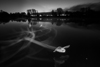
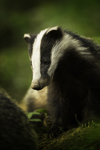
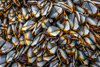
BWPA 2018 Winners Announced! The British Wildlife Photography Awards 2018 A Celebration of British Wildlife The British Wildlife Photography Awards proudly announce the winners for 2018. The awards celebrate both the work of amateur and professional photographers and the beauty and diversity of British wildlife. Winning images are chosen from thousands of entries in fifteen separate categories including a category for film and two junior categories to encourage young people to connect with nature through photography. The Overall Winning Image: Contrails at Dawn (Daubenton’s Bats), Coate Water Country Park, Wiltshire by Paul Colley Ghostly contrails reveal the flight paths and wing beats of Daubenton’s bats. An infrared camera and lighting system that were 14 months in development overcame the challenge of photographing the high- speed flight of these small mammals in the dark. The in-camera double exposure caught the foreground bat milliseconds before insect intercept. As these bats are a protected species they were photographed in the wild following advice from the Bat Conservation Trust and Natural England. “No other image in my portfolio had been so clearly conceived and yet so difficult to achieve. My artistic intent was to capture this extraordinary little bat’s speed of movement and hunting flight path, but the journey to success was littered with disappointing failures. Fortunately, fellow photographers encouraged imaginative experimentation and taught me to anticipate setbacks as a reasonable price for ultimate success. In hindsight, I experienced a huge gradient of emotion. There were the lows felt during months of long, cold and exhausting dusk-to-dawn sessions, sometimes waist deep in water and often without getting a single useable image. And then the natural highs of those light bulb moments, when new ideas blossomed, problems were solved and the project inched closer towards the potential to win this exceptional accolade.” – Paul Colley. The Category Winners: BLACK AND WHITE: Contrails at Dawn (Daubenton’s Bats), Coate Water Country Park, Wiltshire, Paul Colley ANIMAL BEHAVIOUR: Life and Death at the Edge of the World (Great Skua and Puffin), Fair Isle, Shetland, Sunil Gopalan ANIMAL PORTRAITS: Bean (Badger), Peak District National Park, Derbyshire, Tesni Ward URBAN WILDLIFE: Magpie in the Snow (Magpie), Kelvingrove Park, Glasgow, Christopher Swan WILD WOODS: Seasonal Overlap (European Beech), Aviemore, Highlands, Scotland, James Roddie HABITAT: Spectacular Isolation (Mountain Hare), Cairngorms National Park, Highlands, Scotland, Andrew Parkinson HIDDEN BRITAIN: Waiting for her Prey (Nursery Web Spider), Dunchideock, Devon, Andrew McCarthy CLOSE TO NATURE: Goose Barnacles (Goose Barnacles), Sanna Bay, Highland, David Bennett COAST AND MARINE: Storm Gull (Lesser black-backed gull), Newhaven, East Sussex, Craig Denford BOTANICAL BRITAIN: Kelp Bed at Dawn (Oarweed), Kingsgate Bay, Kent, Robert Canis DOCUMENTARY SERIES WINNER: Rehabilitated Grey Seals Being Released into the Wild, Cornwall, Ben Watkins BRITISH SEASONS: Seasonal Scottish Red Squirrels (Red Squirrel), Rothiemurchus Forest, Highland, Neil Mcintyre WINNER UNDER 12 YEARS: Who Says Bugs aren’t Cute (Cockchafer), Borrowdale, Cumbria, Lucy Farrell, Age 9 WILDLIFE IN HD VIDEO WINNER: “Industrial Evolution”, Teesside, Sam Oakes
Industrial areas might not spring immediately to mind when searching for a wild encounter, but while Teesside in the north-east of England is best known for towering factories and vast steelworks, something stirs in the shadows. Nature is creeping back and finding a foothold between the smoking chimneys and bustling ports. Waders forage through healthy mudflats, grey seals have returned to their daily roost, and foxes and raptors stalk prey between iconic landmarks and relics of the industrial revolution that in the past claimed so much of this estuarine habitat for man. Highlights of all the Winning and Commended films of 2018:
Highly commended entries: No Room At The Top by Danny Bean See all HD Video Commended Entries here: www.bwpawards.org/videowinners2018 View all the winning Images, including the video winner and a selection of highly commended entries here: www.bwpawards.org The Prizes First prize: £5,000 Category winners will receive prizes with a value of around £1,000. The prize fund includes: Canon EOS M5 Cameras with 15-45mm lens. Wildlife in HD Video category winner will receive a Canon XA-11 Professional Camcorder The Young winner (under 12) will receive: £300 The Exhibition Tour Over 100 images including the winning and commended entries launches at the Mall Galleries, London, commencing Tuesday 6th November and is open until 1pm Sunday 11th November. A full list of exhibiting galleries is at the end of this press release or alternatively please visit the website for more information about the venues: www.bwpawards.org/c/galleries/exhibitions The Book The British Wildlife Photography Awards: Collection 9 showcases the very best entries from the British Wildlife Photography Awards in 2018. This stunning coffee table book is a celebration of British wildlife as captured on camera by today’s best amateur and professional photographers. Naturalist, Author and Wildlife TV Producer Stephen Moss comments; “Once again, this collection of images from the British Wildlife Photography Awards leaves us in awe of the skill, patience and artistry of the photographers whose work is showcased here. The extraordinary range of subjects, species and habitats, and the imaginative way they are portrayed, leaves us in no doubt that we in Britain are fortunate to be home to some of the most talented photographers in the world. But stunning though this book is, it is not simply a collection of beautiful images, preserved like museum specimens for us to enjoy. It is also a snapshot of Britain’s diverse and beautiful wildlife, at a time when these wild creatures – and the places where they live – are under threat as never before.” Published by Ammonite Press • 5th November 2018 • RRP £25.00 Exhibition Tour. (Check with the venues for their opening times) The Mall Galleries, London – 6th November 2018 to 11th November 2018 The Sponsors Canon, WWF, RSPB Wildlife Explorers,The Wildlife Trusts, Shetland Nature, Countryside Jobs Service, Buglife, Paramo, BBC Wildlife Magazine and Outdoor Photography Magazine. Supported by Ammonite Press, Kristal Digital Imaging Centre, Wildlife-film.com Contact: |
|
The first Ottawa International Vegan Film Festival is a success! The first ever OIVFF took place on October 14, 2018 at the Mayfair Theatre in Ottawa, Ontario, Canada. The OIVFF was honoured to present a collection of short and feature length films that made lasting impressions and ignited audiences’ imaginations. These vegan themed films were bursting with creativity, compassion, and inspiration. In addition to winning the Best Overall Film award, 73 Cows also won the Best Lifestyle Film at the Festival. Other winners included Promises, which won the Best Animal Welfare Film award, Eating You Alive, which was awarded the Best Health and Nutrition Film prize, and Where Do We Go?, which took home the Best Environmental Film award. The Festival welcomed 29 film submissions, both short and full-length features, fiction and documentary from eight countries totaling over 17 hours of vegan-themed films. All entries were viewed by a pre-selection committee chaired by the Festival Director and Programming Director. Finalists chosen by this committee were then screened by an appointed international jury. OIVFF is sponsored by the National Capital Vegetarian Association, the essential resource for vegetarian and vegan in Canada’s national capital region.
Visit: www.oivff.com Like on facebook.com/OIVFF |
|
WFFR 2018 award winners announced! On Saturday the 27th of October nine prizes were awarded at Wildlife Film Festival Rotterdam’s Flamingo Award Ceremony: www.wffr.nl/winnaars-2018 Best Film: Queen Without Land Best Short Film: Pangolin Awareness Award: The Last Pig Conservation Award: Wildlife Savers, Unsung Heroes Environmental Award: Yasuni Man Childrens award: Backyard Wilderness Underwater Award: Sonic Sea Virtual Reality Award: Orangutan School Newcomer Award: STROOP Audience Award: Jane Congratulations to all! |
|
34th Festival de Ménigoute Winners Announced! The 34th "International Festival of Ornithological Film" took place from October 30th to November 4th 2018 in Ménigoute (Deux - Sèvres - FRANCE). The jury awarded the following prizes: The Golden Lirou - Menigoute Grand Prix
Paul Géroudet Award
New Aquitaine Region Prize for Creativity
Nature Protection Award
Prize of the Regional Natural Park of the Poitevin Marsh
Club Awards Know and Protect Nature
Landscapes Awards Jury Prize
Crédit Agricole Award
|
|
Save the Date for NY WILD! Mark your calendars! The 6th annual New York WILD Film Festival will be February 21-24, 2019. The call for entries has just ended and we're excited about the beautiful and powerful films previewed by NY WILDteam of pre-screeners. Almost 300 films were submitted, a record number. Many thanks to the filmmakers who entered their illuminating work. Thank you to the pre-screeners. Stay tuned for exciting announcements about NY WILD 2019: www.nywildfilmfestival.com |





















|
Love Nature Announces Greenlight and Commission of Gangs of Lemur Island via True to Nature at Wildscreen Festival 2018 Gangs of Lemur Island will premiere on Love Nature’s linear and streaming video platforms internationally and via Smithsonian Earth in the US. Blue Ant International oversees the five-part series’ licensing, which will be available for pre-sale at MIPCOM and Wildscreen this month.
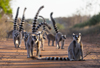
Love Nature, a joint venture with Blue Ant Media and Smithsonian Networks, announced from the Wildscreen Festival today its greenlight and commission of captivating new series, Gangs of Lemur Island (5x50’; UHD and HDR) with renowned Bristol-based production company True to Nature, led by former Head of the BBC Natural History Unit, Dr. Wendy Darke. The series will air on Love Nature’s linear and streaming video platforms internationally and via Smithsonian Earth in the US. Blue Ant International oversees the five-part series’ licensing, which will be available for pre-sale at MIPCOM and Wildscreen this month. Responsible for over 1000 programmes, Dr. Darke brings decades of experience to this new production. She served as Head of the BBC Natural History Unit from 2012-2016 and is well-known for leading the development and successful delivery of many beloved character-based series. In Darke’s latest wildlife soap opera, Gangs of Lemur Island, we meet the lemurs of the Berenty, a small forest reserve in southern Madagascar where a lovable troop of ring-tailed creatures live. Studied for over 50 years by scientists, these lemurs are intelligent and highly social creatures that share a common ancestry with humans and, as the series reveals, remarkably like us. The ground-breaking, new wildlife soap, created by a multi award winning team, follows four warring troops of ring-tailed lemurs in the fast changing, unique world of Madagascar, The Museum Gang, The Ruins Gang, The Yalygate Gang and The Hangar Gang: four tight-knit clans that fight with each other on a daily basis to protect their turf and family. Power struggles and in-fighting are rife, as matriarchal gang bosses strive to keep a firm, yet fragile, hold on their alpha status and stories of loyal friendships and coalitions unfold. Aided by the latest cinematic technology, Gangs of Lemur Island gives viewers an unprecedented entry into the highs and lows of life as a lemur in the 21st century, which includes the extreme environmental challenges that threaten extinction. Drones are frequently deployed to illustrate the scale and geography of the reserve, with graphics included to indicate the locations of each lemur gang throughout their travels. On the ground, the latest gimbal technology allows viewers to follow the lemurs through their level of sight. Finally, miniature gimbals paired with mini-cams offer increased flexibility when capturing the profile and individual personalities of each troop member. “Love Nature is committed to creating content that makes the natural world more relatable and relevant. Strong narratives in Gangs of Lemur Island pull viewers through the daily lives of the lemurs and we experience their struggles and triumphs through intimate stories of individuals and groups. Viewers feel closer to nature because they have bonded with the characters and want to know how their stories end,” said Carlyn Staudt, EVP, Love Nature Programming & Development. “Love Nature’s audiences will revel in the knowledge and expertise that Wendy Darke brings to this series, as one of the premiere talents in production and one of the most well-respected executives in the nature and wildlife space.” “Working in partnership with Love Nature, while using the latest technology, scientific discoveries and storytelling techniques, has helped us realise new, premium factual creative ambitions within the popular animal soap opera genre,” said Dr. Wendy Darke, True to Nature. We are excited to introduce viewers around the world to Gangs of Lemur Island’s charismatic cast of characters, including the ring-tailed lemurs and iconic dancing sifakas, while sharing how they are surprisingly like us!” Highlights of storylines include:
Gangs of Lemur Island is created and executive produced by Dr. Wendy Darke. The series is written by Hazel Marshall. Andrew Graham-Brown is the Series Producer. Alison Barrat, VP, Development & Production and James Manfull, Executive Producer will oversee the series on behalf of Love Nature. Gangs of Lemur Island is due for delivery in Summer 2019. Love Nature, creators of the world’s largest 4K natural history library, is seeking co-production and broadcast partners at Wildscreen Film Festival, where the brand is acting as Principal Sponsor. Love Nature is also seeking out new partnerships with premium natural history producers all over the world to program its platforms globally. Love Nature's channel distribution has grown significantly over the last 12 months with 4K channel launches in The UK and Ireland on Virgin TV, the Netherlands, Switzerland, Canada, Indonesia, Myanmar, Papa New Guinea, Fiji, Qatar, Thailand and The Maldives; and HD channels also airing in Nigeria and Singapore. The brand’s streaming video service, available in 60+ countries worldwide, has also notably launched on Amazon Channels UK, Amazon Channels Germany and Austria and Vodafone TV in New Zealand in the last 12 months. Love Nature, a Blue Ant Media and Smithsonian Networks joint venture, creates and distributes the largest library of 4K wildlife and nature content in the world. Love Nature is available on linear television internationally and via streaming video in 60+ countries worldwide. LoveNature.com TRUE TO NATURE is a Bristol-based, independent production company founded by Dr. Wendy Darke, former Head of the BBC Natural History Unit. We specialise in innovative, world-class natural history and specialist factual content and TV production using great storytelling to build lifelong relationships between people and the natural world. Recent commissions include The Gangs of Lemur Island (5x60’; UHD and HDR) for Love Nature; Expedition with Steve Backshall (4x60’ and 6x60’) for BBC, UKTV Dave and Fremantle; specialist factual documentary, Volcano 24 (1x60’), an international co-production between True to Nature , ZDFE Enterprises, PBS, WNET Thirteen, Nature, ZDF and ARTE. truetonature.co.uk. |
|
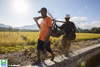
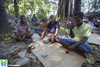
The last of the Timor-Leste from Below Series from Scubazoo ... Crocodile Caller ... Timor-Leste from Below ... Episode 9 is here! Epidode 9 Crocodile Caller… an expedition to Oé-Cusse in Timor-Leste. An integral part of Timorese folklore, saltwater crocodiles inhabit the island of Timor-Leste in their thousands. Some indigenous elders on the island still revere and communicate with these aquatic beasts, they are known as the croc callers.
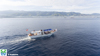
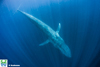
Blue Whale, the biggest animal that ever lived ... on the final Timor-Leste from Below ... Episode 10! Epidode 10 Gigantic blue whale filmed in 4K underwater in Timor-Leste! In all of time there has never been an animal larger than a blue whale. Bertie and the …from Below team have one simple goal – to swim alongside one of these incredible creatures.
To watch all weekly episodes of Timor Leste from Below for FREE, please ‘like’ their Facebook page! New Borneo Jungle Diaries series coming soon... After the success of the first Borneo Jungle Diaries series, we are excited to announce that we will be launching season 2 by the end of the year. Bringing in a new presenter, Sabah's rising star, Alex Alexander to host & to showcase Borneo's wildlife and the fantastic research and conservation work being done at Danau Girang Field Centre (DGFC). This series of films will continue to explore the work done by DGFC’s scientists and research assistants, to better understand Sabah’s wildlife, surrounding environments and their interactions with human development that will ensure the captivation of viewers young and old, nationally and internationally. Stay tuned. |
|
Dynasties First Look Trailer released on World Animal Day ... New series starts this month!
Sir David Attenborough takes us on a new journey to follow the greatest animals of their kind… Exclusive first look at the new BBC Earth series Dynasties. #Dynasties #WorldAnimalDay
New exclusive footage from Dynasties, the upcoming Sir David Attenborough series that takes us on a new journey to follow the greatest animals of their kind… Follow the true stories of five of the world's most celebrated, yet endangered animals; penguins, chimpanzees, lions, painted wolves and tigers. Each in a heroic struggle against rivals and against the forces of nature, these families fight for their own survival and for the future of their dynasties. Dynasties, BBC One’s upcoming landmark series with Sir David Attenborough, will be shown in Ultra HD and HDR on BBC iPlayer. Each episode will be available on-demand after the programme is shown on BBC One, starting with episode 1 Chimpanzee at 8.30pm on Sunday 11th November. It’s the latest instalment of the BBC’s Ultra HD trials, following other major series and events like Blue Planet II, the FIFA World Cup and the Wimbledon Championships. Once again, the BBC’s Ultra HD coverage will include HDR Matthew Postgate, Chief Technology and Product Officer, BBC, said: “Dynasties is exactly the kind of landmark BBC programme that audiences want to see in Ultra HD. We’ve been trialling Ultra HD over the past couple of years as we reinvent the BBC, and it’s clear that people enjoy the increased quality. We believe our Ultra HD coverage is some of the best around – combining the higher resolution with a wider of range of colours and HDR, which really brings our world-class programmes alive.” See: bbcearth.com/dynasties & bbc.co.uk/programmes/p06mvmmr When protecting your legacy, everything is on the line. Dynasties premieres January 19 on BBC America. |
|
David Attenborough: too much alarmism on environment a turn-off Veteran broadcaster says Dynasties, his new BBC wildlife series, will be gripping, truthful and entertaining but not overtly campaigning Sir David Attenborough, the world’s most famous wildlife storyteller, believes repeated warnings about human destruction of the natural world can be a “turn-off” for viewers – a comment that is likely to reignite the debate about whether the veteran broadcaster’s primary duty is to entertain or educate. Ahead of the launch of Dynasties, a new five-part BBC documentary series, the presenter of Blue Planet II and Planet Earth II said the impact of habitat loss, climate change and pollution were evident everywhere, but sounding the alarm too often could be counterproductive. “We do have a problem. Every time the bell rings, every time that image [of a threatened animal] comes up, do you say ‘remember, they are in danger’? How often do you say this without becoming a real turn-off? It would be irresponsible to ignore it, but equally I believe we have a responsibility to make programmes that look at all the rest of the aspects and not just this one,” Attenborough, 92, told the Observer. The first programme of the new series will air at 8.30pm on Sunday 11 November. Four of the five episodes will focus on a “ruler” – lion, chimpanzee, wolf and tiger – following their power struggles, fight for survival and attempts to extend their family into the next generation. The other – about an emperor penguin – will look at how cooperation rather than competition is the only way to survive in the harsh Antarctic environment. The producers promise the most dramatic scenes will rival anything the award-winning BBC Natural History Unit has produced over recent years. More here: theguardian.com/environment/2018/nov/04/attenborough-dynasties-ecological-campaign |
|
New Attenborough series carries a strong environmental message Animals run out of space as humans encroach on their territory More here: www.ft.com |
|
David Attenborough's Blue Planet will return for live TV event Blue Planet fans who've missed weird and wondrous creatures like the fangtooth, the bobbit and cuttlefish are soon going to meet more remarkable species... because the show is coming back! The BBC announced on Thursday (October 11) during BBC's Director of Content Charlotte Moore's Steve Hewlett Memorial Lecture that Sir David Attenborough's groundbreaking nature series will return, this time as Blue Planet Live. Moore described Blue Planet Live as a "stripped TV event" that will revisit the wildlife and stories of last year's series in order to find out what happened next to some of our favourite species. We're assuming we'll get an update on the fangtooth then? "[We'll ] take the audience to the frontline of scientific research and conservation to witness first hand what's going on across the world's oceans," she promised, continuing: "We'll look at the health of coral reefs in Australia, witness the world's largest gathering of grey whales in Mexico. "[We'll] go live to a shark dive in the Bahamas… We'll uncover the positive ways people all over the world are trying to tackle the plastic problem." More here: digitalspy.com/tv/news/a868232/blue-planet-live-bbc-david-attenborough |
|
Sand of Time from Tim Visser/Wild Step Ant vs Antlion! Will the ant survive? Check out this intense shortfilm with one of the coolest sound designs in Wildlife Film. Check out their website for more great shorts and services on offer: wildstep.nl |
|
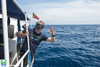
Wild Life: Resurrection Island with Bertie Gregory Wildlife filmmaker Bertie Gregory has channeled his childhood obsession with wildlife into photography. Photos from this obsession earned him recognition early on in his career, including been named a National Geographic Young Explorer, Youth Outdoor Photographer of the Year, and Zenith Scientific Exploration Society Explorer. Join him as he takes audiences on an adventure to iconic South Georgia Island. Sailing through the roughest ocean on the planet in a 50-foot boat, his team’s target is the sub-Antarctic island, known for its breathtaking scenery and high concentration of wildlife.
It’s a life of extremes for Antarctic fur seals. Bulls fight to the death for breeding rights, while seal moms work to raise their adorable pups. And National Geographic wildlife filmmaker Bertie Gregory was there to capture it all—follow his adventure in new episodes of Wild_Life: Resurrection Island every Thursday! More here: nationalgeographic.com/animals/wild-life |












|
observations from ISFRYN | the kestrel by Bevis Bowden "What is?" "The Kestrel is", I said. The Kestrel is back. It's been absent from this corner of the common for two years now. Its return is reassuring. Filmed in mid Wales, September 2018. Music by Chequerboard. The music can be bought here: http://chequerboard.com ISFRYN which translates from the Welsh as 'under the bank' refers to an area of ancient common land and neighbouring fields in mid Wales. This is an ongoing project that offers an opportunity to capture extended moments - observations - of both wildlife and farming within the landscape they both inhabit. You can visit ISFRYN here.
Website: www.bevisbowdenfilms.co.uk |
|
New Music From New Zealand's The Sound Room Kia Ora Some recent music making news below from the team @ The Sound Room. If you need original music, sound design or a mix for your project big or small, give us a call. Best wishes Marshall Smith & Tom Fox ... See: thesoundroom.fanbridge.com/campaigns/show.php?id=1487649 A recent project of The Sound Room guys:
Water is precious and we humans have a heavy impact on its availability. With this in mind Human Cannonball Romain Borrel came up with this simple but poignant storyline of an Elephant and Giraffe fighting over a bottle of water in the African heat. More: cirkus.nz/2018/08/23/elephant-vs-giraffe Visit: thesoundroom.co.nz |
|
Music From Scotland's Emily Frances Ippolito Here's an example of musoc composed by member Emily Frances Ippolito Emily is keen to work on your next project... Get in touch: composer@emilyfrancesippolito.com Website: www.emilyfrancesippolito.com |
|
Scientists warn of imminent climate catastrophe without massive changes - C4 News It's being described by the scientists who wrote it as a "clarion bell" - a report warning the world that unprecedented and immediate change is needed to prevent a climate catastrophe.
A report by the Inter-Governmental Panel on Climate Change for the United Nations says we need to act without delay to prevent the destruction of coral reefs and stop sea levels rising by as much as ten centimetres. If that happened large parts of the world could become uninhabitable. Visit: channel4.com/news/scientists-warn-of-imminent-climate-catastrophe-without-massive-changes |
|
Would you give up beef to help the planet? - BBC News Here's five things we can do to help prevent global temperatures rising more than 1.5 degrees above pre-industrial levels, according to a report by the Intergovernmental Panel on Climate Change (IPCC).
Visit: bbc.co.uk/news/av/science-environment-45792942/climate-change-what-would-you-be-prepared-to-do Wildlife-film.com Opinion: We think that there should be more collaboration between wildlife film-makers/production companies and television news agencies so as to produce more up-to-date and more frequent content that will help people make more informed lifestyle decisions that reduce their impact on the environment. |
|
UN Says Humans Have 12 Years To Stop Climate Change - Plant-Based News UN Urges Plant-Based Diet Amid Environmental Catastrophe.
Visit: plantbasednews.org/post/landmark-un-report-12-years-stop-climate-crisis Read: Avoiding meat and dairy is ‘single biggest way’ to reduce your impact on Earth - The Guardian
VEGAN 2018 | The Year A Movement Went Mainstream will Premiere in London, with a Q&A with special guests, in London on Tuesday, November 27, 2018 from 8:30PM to 10:30PM ... Get tickets here: eventbrite.com/e/vegan-2018-premiere-q-a-with-special-guests-tickets-50419143014 Support Plant Based News by joining their PBN-Insiders Platform: plantbasednews.org/insiders |
|
New Wild Orchid Man Film Premiere! BREAKING NEWS! That's how the big guys put it. Our new film Wild Orchid Man in the Devil's Realm will premiere on January 16th, 2019 at Selby Gardens sponsored by the Sarasota Orchid Society! The trailer link: https://youtu.be/kQd2nvj_Ndo Stig Dalström explores Tasmania's history and culture as well as learning about the flora and fauna of the island. Many strange plants and animals inhabit this remote land and there is an ever-changing cast of orchids in flower. This is the 5th Wild Orchid Man film shot and edited by Darryl Saffer. The team hopes to return to Western Australia next August to wrap up filming on the sixth film Wild Orchid Man and the Queen Of Sheba.
Visit: www.thefieldjournal.net |
|
Wildlife through Kim Wolhuter’s eyes He prefers to go barefoot into the veld to show respect when moving in nature. He arrived at the restaurant barefoot and she followed a while later, wearing a moonboot and pushing a stroller from which a baby girl smiled happily. This was not the way I anticipated to meet Kim Wolhuter, the famous film-maker, but learning the reason why he prefers not to wear shoes, made me realise exactly why his films are so farreaching and highly esteemed in the realm of conservation. The story behind his wife Saskia’s moonboot, however, is much less romantic. She broke her ankle recently. Describing his life and work from one interview in one article is impossible, but during a two-hour conversation, this journalist for one, is hooked on his work. The reason for going barefoot, he explains shortly into our conversation, is to show respect when moving in nature. “Have you realised how destructive it is to walk with boots in pristine veld?” he challenged. “Never mind disturbing the silence with your crunching through grass and bush.” Listening to him makes one realise he was almost destined to do what he does. More here: lowvelder.co.za/453627/wildlife-kim-wolhuters-eyes |
|
Creating Wallasea Island nature reserve from RSPB Wallasea Island nature reserve is the UK's newest coastal wetland. With tidal saltmarsh and mudflats, brackish lagoons, grazing marsh and freshwater grassland, as well as arable bird cover, Wallasea is a wildlife haven more the double the size of the City of London. Created using 3 million tonnes of material from London's Crossrail Project, the creation of Wallasea Island nature reserve is a model of how industry and environment can work together. Helping people connect with nature and coastal heritage, and providing natural coastal adaptation to climate change.
Find out more: www.rspb.org.uk/wallasea |
|
WWF Announces Expedition Congo with Josh Guyan They say: "We’re very excited to announce EXPEDITION CONGO, a six-part YouTube series which follows #WWFVoices Josh Guyan as he explores the Congo Basin’s rich biodiversity." The series will be released this month on this YouTube channel, so make sure you subscribe now to avoid missing out: Youtube.com/user/WWF |
|
Younger at heart: Finding the youth demographic in natural history Seven years ago, Danny Cohen, at the time the controller for BBC1, announced in a speech at the Edinburgh International Television Festival that the British pubcaster was aiming to produce more programs specifically targeted to older viewers. That strategy served as the BBC’s attempt to ensure the range of its audience was reflected back at itself while quelling ongoing criticisms that its commissioning was shifting its focus to millennials. Fast-forward to the present and long gone are the days when the natural history genre’s viewership skewed older. It now seems broadcasters and producers alike have cracked the formula to captivate Gen Z – born between 1996 and the present – and millennial audiences, a traditionally difficult demographic to reach, with the beauty of the natural world. BBC1's oceanic blue-chip juggernaut Blue Planet II from BBC Studios, which traveled to 39 countries to capture more than 6,000 hours of footage in all of the Earth’s oceans, made a huge splash with young viewers across Britain. More here: Realscreen.com |









|
"When haddocks flirt, they sound like a motorbike revving up" says Chris Watson Flies buzzing, strange rustling, crunching sounds, and then the most chilling screech you’ll have heard all week. Vultures were feeding off the carcass of a zebra in Kenya, recorded by Chris Watson. He had been up before dawn, on the look-out for a suitable carcass to attract the scavenging vultures. He was lucky to find one and clipped two microphones to the ribcage, running the cable to his recording vehicle 50 yards away. By break of day the vultures had appeared and were taking their breakfast. Watson believes that recording sound at such close quarters ‘really fires our imaginations in a unique way’. He was not the only contributor to The Changing Sound of Radio on Radio 4 Extra (produced by Jessica Treen) to talk about radio as if it is a visual medium. In this compilation of archive programmes, threaded together by Watson’s memories of a life spent in the field and back in a studio creating sound art, it was as if we were given snapshots of the best audio since the 1960s when as a teenager Watson first began recording. The sound of a blackbird at full throttle in Thirteen Ways of Looking at a Blackbird. The ‘snap, crackle and pop’ of pistol shrimps, who use sound as a weapon, stunning their victims, recorded by Watson by attaching a microphone to a fishing line and dangling it off the pier at Blyth harbour in Northumberland. Haddock recorded out at sea, in hectic courtship, described as ‘like a motorbike revving up’. Read more: Spectator.co.uk/2018/10/when-haddocks-flirt-they-sound-like-a-motorbike-revving-up Also check out: INTERVIEW: Chris Watson Sound recordist Chris Watson tells The Quietus about his plans for an installation marking the end of World War One, taking place in Newcastle this month. |
|
Breaking the mould in wildlife filmmaking Naturalist Catherine Capon on producing wildlife documentaries via social media With an influential YouTube channel and more than 25,000 followers on Instagram, naturalist and adventurer Catherine Capon is building a strong social media presence with wildlife documentaries from her intrepid journeys around the world. Armed with a degree in zoology from Imperial College London, Catherine Capon worked in corporate sustainability and on BBC and Discovery channel wildlife productions before a stint at UK indie Sundog Pictures. Her latest venture is producing wildlife documentaries via social media to get audiences thinking about responsible ecotourism options when booking their holidays. In 2015, Catherine set herself the challenge of travelling to 12 wildlife hotspots in 12 months and recording her experiences. “Through my interest in raising awareness of conservation issues I could see how travel could be used as a force for good and help support good causes,” she says. “You can’t stop people wanting to travel, but you can encourage different, more responsible ways to travel and show people that wildlife is worth more to local economies alive rather than dead.”
Read more: broadcastnow.co.uk |
|
Discovery launches Digital Studios Group; readies Atlantic’s “Deep Planet” Silver Spring, Maryland-headquartered media conglomerate Discovery has launched the Digital Studios Group, an expanded hub for digital content creation to support the company’s global businesses and brands. The newly minted division will serve as a base for social video and creative and branded content for Discovery sites and social channels. The group will work closely with the company’s TVE and direct-to-consumer businesses, led by Peter Faricy, CEO of direct-to-consumer. Leading the expanded group is Discovery’s Vikki Neil (pictured), who has been elevated to executive vice president and general manager. Neil reports to Kathleen Finch, chief lifestyle brands officer. More here... Elsewhere, Discovery Channel and Science Channel are prepping a multi-platform limited series that will take audiences to the deepest points of the earth’s five oceans. Produced by BAFTA- and Emmy-winning Atlantic Productions, Deep Planet (w/t) will follow the Five Deeps Expedition, the first global ocean project to send a manned submersible vessel into the deep oceans never-before-seen by the human eye. More here: Realscreen.com |
|
BBC One to show first primetime film on climate change since 2007 The BBC has commissioned a major new documentary film on climate change. Charlotte Moore, the BBC’s director of content, said in a speech last night that the new film will be called “Two Degrees”. She added: “We want it to be the definitive film on climate change. To cut through the confusion, tell audiences the facts without any other agenda, explore what a dangerous level of climate change could really mean. It will be unflinching about the potential catastrophe that’s unfolding. And offer the facts about what can still be done.” “Because, for all the uncomfortable truth, the message…is, ultimately, a positive one: we have the power to do something. We hold the future in our hands.” No further details about the film have yet been provided by the BBC. However, Carbon Brief has exclusively obtained more information. The 90-minute film is scheduled to air in a primetime slot on BBC One at the end of March next year. It will be part of a week-long series of environmentally themed programmes called “Blue Planet Live”. “Two Degrees” is currently the working title of the film. It will be the first time BBC One has aired a primetime documentary dedicated to the topic of climate change since 2007. On 21 January of that year, a documentary presented by Sir David Attenborough called “Climate Change: Britain Under Threat”, was broadcast at 8pm on BBC One. More here: carbonbrief.org/exclusive-bbc-one-show-first-primetime-film-climate-change-since-2007 |
|
Autumnwatch New England: Chris Packham explains why the BBC nature series headed to the USA The presenter talks crossing the pond for the latest series of Autumnwatch – and why Brexit is a headache for conservationists. If you go down to – or tune into – the woods this week, you’re sure of a big surprise. Yes, the Often-Spotted Chris Packham, Michaela Strachan and Gillian Burke are there, in their trusty log cabin, presenting the annual Autumnwatch wildlife spectacular. But 13 years since we first tuned into Autumnwatch to get our fix of rural Britain, and after two years based in Sherborne Park in Gloucestershire, the team has upped sticks and headed over the pond – to Squam Lake in New Hampshire, which was the setting for the Oscar-winning 1981 film, On Golden Pond. “It was great to be at Sherborne for four series because we achieved our mission to follow one place through all four seasons,” says Packham. “This is a big one-off adventure.”. More: Radiotimes.com
Visit: bbc.co.uk/programmes/b0079t1p Watch: bbc.co.uk/iplayer/episode/b0bp17cp/autumnwatch-2018-episode-1 |
|
BBC Trainee Camera Bursary, Life of Plants The BBC Natural History Unit (NHU) is acknowledged as the leading maker of television and radio programmes on wildlife and natural history anywhere in the world. Renowned for our innovative production techniques, we’re offering a one year traineeship to an individual with substantial experience of natural history filming and field wildlife observation. Based in Bristol, the NHU output covers a wide range of programme subjects and formats. These include blue-chip series such as Blue Planet 2 and Planet Earth 2, as well as live, topical events like Springwatch and Autumnwatch, or Radio 4's Tweet of the day. For the first time in 25 years the Natural History unit is making a BBC 1 landmark series on the world of Plants. This is global in its scale. This 5-part series will bring a brand new perspective on the plant world. We will discover how plants are the dominant form of life on our planet and essential for the existence of animals. They create ecosystems, communicate with each other, form alliances, fight, look after their own offspring and manipulate the animal world for their own ends. We will be employing a whole range of new visualization techniques to take the viewer on a stunning and completely novel journey into the world of plants. For Plants will use a wide range of filming techniques, for both small scale and big scale filming. So we are looking for someone who brings a passion and interest in learning about new technology and finding ways to use it to create new kinds of images. These will include timelapse, microscopy and other forms of extreme macro work, low light filming, studio work, tracking/gimbal equipment. You will work with a passionate and closely integrated team. You will have involvement in the series editorial, testing of equipment, detailed planning for its use in studio and in the field. Your training will be on-the-job as well as attendance at formal courses and you’ll be allocated a Mentor to help and support you through this training programme. In addition your role may include travel to locations in the UK as well as overseas. All wildlife content is acquired from freelance operators; there are no BBC staff positions in this category. Consequently, on completion you will be released to compete on the freelance market for work, either from the NHU or elsewhere. The traineeship is aimed at those with sufficient relevant skills and experience to enable rapid progress to full professional competence. You will need to include a link to your showreel with as part of your application. Please note if you do not include a link to your showreel we will not consider your application. If you have already applied for the Trainee Camera Bursary, NHU Landmark you are also eligible to apply for this role but you will need to complete an application. Find out more and apply here: Careerssearch.bbc.co.uk/jobs/job/Trainee-Camera-Bursary-Life-of-Plants/31237 Closing Date: 22 November, 2018 |
|
Smithsonian Channel bolsters nature, wildlife slate American broadcaster Smithsonian Channel has reinforced its forthcoming programming lineup with the addition of four nature and wildlife documentaries, including the award-winning Laws of the Lizard and Incredible Animal Moments. Anchoring the new slate is Law of the Lizard (pictured), which took home the Grand Helix at the 2018 Jackson Hole Science Media Awards, from Day’s Edge Productions. The film spotlights filmmakers Neil Lison and Nate Dappen who, over the course of one year, reveal the surprising story of the anole lizard and how it may hold the key to understanding the past, present and future of Earth. Law of the Lizard premieres in December and is produced by Nathan Dappen and Neil Losin for Day’s Edge Productions. Smithsonian Channel’s Charles Poe and David Royle serve as executive producers. Smithsonian Channel will also premiere three additional series in Q1 2019. More: Realscreen.com/2018/10/18/smithsonian-channel-bolsters-nature-wildlife-slate |
|
A WARNING SIGN FROM OUR PLANET: NATURE NEEDS LIFE SUPPORT – WWF Released on the 30th of October, WWF's Living Planet Report 2018 shows that wildlife population have plummeted by 60% in less than 50 years. We're the first generation to know we're destroying the world and could be the last that can do anything about it. All over the world, we are cutting down forests, using too much water from rivers, choking our oceans with plastic and pushing many species to extinction. So we must all act right now to reverse the damage and restore nature. We need more activists to join the fight. Please share. #FightForYourWorld Visit: www.wwf.org.uk |
|
Icon Films, NHU Botswana team up for BBC2/WNET hippo doc Bristol-headquartered indie prodco Icon Films and Natural History Film Unit Botswana are teaming up for a one-off doc focusing on the hippopotamus. BBC2 and U.S. flagship PBS station WNET have jointly commissioned the 1 x 60-minute doc, Hippos; A Life Aquatic, which will use cutting edge camera technology and filming techniques to document a hippo pod comprised of dominant male, mother and young calf as it navigates life in the swamp waters of the Okavango Delta. Shot by natural history filmmaker Brad Bestelink and his team at Natural History Film Unit Botswana, the project aims to “reveal the intimate secrets of their complex social lives.” Hippos; A Life Aquatic was commissioned by ‘Natural World’ strand editor Roger Webb for BBC Two and Fred Kaufman for WNET. Executive producer for Icon Films is Lucy Meadows. More: Realscreen.com/2018/10/14/icon-films-nhu-botswana-team-up-for-bbc2wnet-hippo-doc |
|
Hidden Tiger: Big Cat Rescue by Rescue Doc Films Join Rescue Doc Films as they travel to Tampa Florida to learn about the incredible work being done for captive tigers at Big Cat Rescue. The work being done at this wonderful sanctuary will be featured in their upcoming film, The Hidden Tiger. More here: rescuedocfilms.org/the-hidden-tiger |
|
Prince William accused of 'white saviour' mentality in Africa wildlife film Experts condemn lack of African voices in film depicting royal’s visit to conservation projects in Tanzania. A video that shows the Duke of Cambridge visiting wildlife projects in Tanzania has been criticised for excluding African experts and promoting a “white saviour” mentality. The film, shown this week at the international conference on illegal wildlife trade in London, highlights conservationist work in Dar es Salaam Port and at Mkomazi National Park. Only one black person, a student, talks to camera during the video, during a conversation about Prince William’s leadership qualities. Other international contributors are quoted sharing their expertise on poaching and how to tackle the illegal wildlife trade. Kaddu Sebunya, president of the African Wildlife Foundation, said that while the royal family had an important role to play, the focus should remain on African voices. “The solution to international wildlife trade is going to come from what we do on the ground, and the leadership of Africans is very important,” he said. “We’ve seen on the ground that where Africans have led, where we’ve seen leadership from African politician, where we’ve seen community ownership, we’ve seen good results.”
Dr Mordecai Ogada, director of Conservation Solutions Afrika, said the film promoted damaging messages. In Kenya, where Ogada is based, conservation work is still dominated by foreign voices, he said. “Conservation even now, nearly 55 years after Kenya got independence, is still the one arena where Prince William can waltz in to Kenya and tell us he wants us to do this, that or the other,” said Ogada. “He couldn’t do that in education, banking or other fields, but conservation still has that romantic, out of Africa feel about it.” Read more here: theguardian.com |
|
Recommended watch: Stacey Dooley Investigates – Fashion's Dirty Secrets Stacey Dooley travels the world to uncover the hidden costs of the addiction to fast fashion. She sees for herself how toxic chemicals released by the garment industry pollute waterways that millions of people rely on. She witnesses the former Aral Sea, once one of the largest bodies of fresh water, now reduced almost entirely to dust. These are shocking discoveries likely to make you think twice about whether you really need those new clothes. Stacey Dooley is driven across the seabed, now reduced almost entirely to dust since the region was developed for cotton production. Watch on BBC iPlayer: bbc.co.uk/iplayer/episode/b0bn6034/stacey-dooley-investigates-fashions-dirty-secrets Available until the 7th of November. |
|
Is this the END of MEAT? | Vegan Documentary 2018 The End of Meat is a groundbreaking documentary film envisioning a future where meat consumption belongs to the past. Although evidence of meat consumption's negative impact on the planet and on human health continue stacking up as animal welfare is on the decline, humanity's love affair with hamburgers, steaks, nuggets and chops just doesn’t end. In Germany, home of bratwurst and schnitzel, meat is an integral part of the diet. That is, until a few years ago, when perceptions somewhat evolved. Health concerns and meat scandals led to a public debate about the ethical implications of meat consumption and the rise of plant-based diets. Meat producers launched their own vegan products; 100% vegan supermarkets opened; and almost every food manufacturer was adding and labeling vegan options. Is this the beginning of the end of meat? Are we approaching a turning point in the human-animal relationship? In The End of Meat, filmmaker Marc Pierschel embarks on a journey to discover what effect a post-meat world would have on the environment, the animals and ourselves. He meets Esther the Wonder Pig, who became an internet phenomenon; talks to pioneers leading the vegan movement in Germany; visits the first fully vegetarian city in India; witnesses rescued farm animals enjoying their newfound freedom; observes the future food innovators making meat and cheese without the animals, even harvesting “bacon” from the ocean, and much more. The End of Meat reveals the hidden impact of meat consumption; explores the opportunities and benefits of a shift to a more compassionate diet; and raises critical questions about the future role of animals in our society.
Visit www.theendofmeat.com |









Find a Wildlife Film Freelancer Find a Wildlife Film Organisation
|
































































Please send in YOUR news for the next issue to the editor: news@wildlife-film.com |
Disclaimer: Wildlife Film News publishes information and opinions as a service to its readers. Wildlife-film.com |

