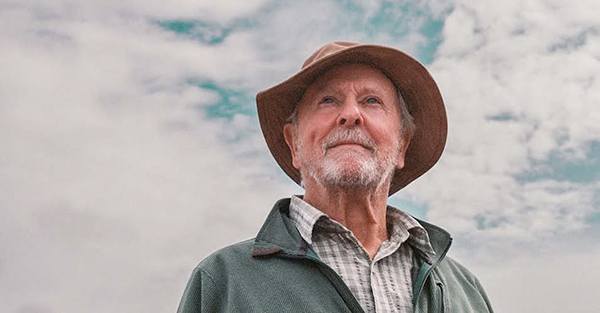
The international wildlife filmmaking community is mourning the loss of Mike Salisbury OBE, one of the foundational pillars of the BBC Natural History Unit (NHU), who passed away on 13 May 2026 at the age of 84.
As the longest-serving series producer to collaborate with Sir David Attenborough, Mike’s visionary storytelling shaped the global landscape of blue-chip natural history. Over a career spanning more than three decades, his hands-on approach brought the natural world into millions of homes. His early milestone came as an assistant producer on the monumental Life on Earth (1979), where he worked alongside other pioneering NHU figures like the late Richard Brock to navigate the immense logistical and technical challenges of that ground-breaking 13-part series.
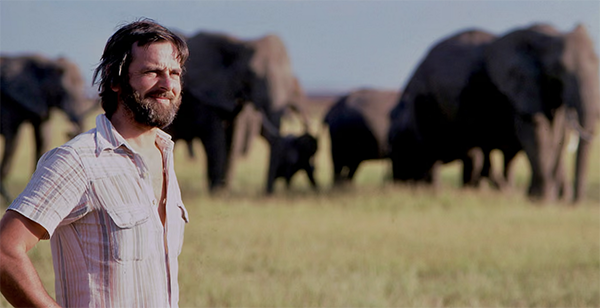
Mike Salisbury in Tanzania making the BBC’s blockbuster wildlife series Life on Earth (1979). Photograph: BBC
Mike went on to live in the Arctic for Kingdom of the Ice Bear (1985) and served as series or executive producer for definitive epics including The Life of Birds (1998), The Life of Mammals (2002), and Life in the Undergrowth (2005). He was famously tenacious when it came to bringing ambitious ideas to life. When seeking funding for The Private Life of Plants (1995), he pitched the concept directly to Ted Turner. It was Jane Fonda—Turner's wife at the time—who was captivated by Mike's vision, declaring plants to be "the ultimate soap opera," which successfully secured the vital co-production backing from TBS. The resulting series revolutionized the genre through its ground-breaking use of computer-controlled time-lapse photography, turning plants into dynamic, dramatic characters.
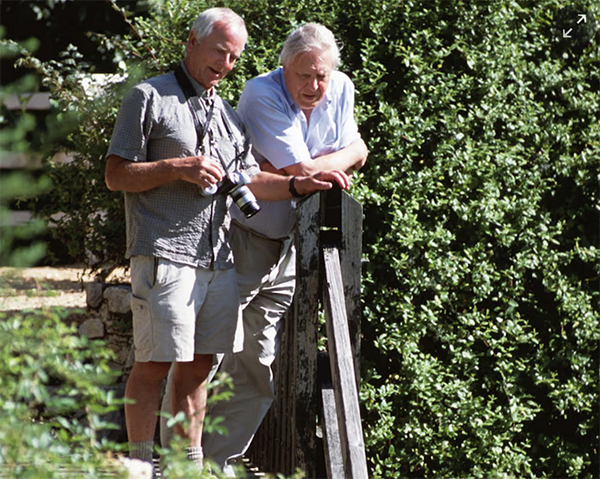
Mike Salisbury and David Attenborough discussing a humming-bird hawk moth sequence for Life in the Undergrowth, central France, 2005. Stephen Moss
Later, as editor of The Natural World in the 1990s, Mike was instrumental in pivoting the strand toward hard-hitting conservation and environmental realities. Beyond his extensive accolades—including an Emmy and the prestigious Wildscreen Panda Award for Outstanding Achievement—Mike will be remembered across Bristol and the wider industry as a generous mentor who championed and shaped the careers of generations of filmmakers.
We extend our deepest condolences to his wife Vyv, his three children, and his six grandchildren.
See: theguardian.com/tv-and-radio/2026/may/20/mike-salisbury-obituary, televisual.com/news/wildlife-filmmaker-mike-salisbury-obe-1942-2026 & news.mongabay.com/2026/05/mike-salisbury-wildlife-filmmaker-who-made-plants-behave-like-characters-has-died-aged-84

BBC Sounds - Life on Earth - The Reunion
Flashback: Listening to BBC Radio 4’s ‘The Reunion’ – Life on Earth
In light of Mike's passing, we have been revisiting a remarkable audio time capsule that brought this legendary production team back together.
Originally broadcast in 2014, The Reunion episode for Life on Earth features host Sue MacGregor sitting down with Sir David Attenborough, Mike Salisbury, Richard Brock, and their core crew to look back on the three years and 1.5 million miles of travel behind the 1979 masterpiece.
The 45-minute archive broadcast pulls back the curtain on the technical constraints, creative risks, and intense logistics that laid the blueprint for modern blue-chip nature documentaries:
| Behind the Camera Magic: Cameraman Martin Saunders reveals that the iconic mountain gorilla encounter in Rwanda was nearly missed. Executive producer John Sparks had initially pushed back against filming it out of fear it would look too much like Animal Magic instead of an evolutionary series, but Saunders unilaterally chose to roll the film anyway. |
| The Logistical Architects: Producer's assistants Pam Jackson and Jane Wales share humorous and harrowing memories of managing the extraordinarily complex international travel grids—all while doing their best to keep their presenter looking presentable while hacking through dense wild jungles. |
| Struggles and Staging: The crew reflects openly on the necessary "artifice" used at the time to capture hidden behaviours, from staging a burrowing mole on a spinning bicycle wheel in a lab, to sound editors crunching carrots and celery in a Bristol studio to replicate the audio of a gorilla eating. |
| Field Breakthroughs: The late Richard Brock breaks down the patience needed to film unique amphibian behaviours for his popular episode, while Mike Salisbury discusses the immense difficulties of tracking lions in Tanzania to capture a then-unprecedented lion-hunt sequence. |
For anyone looking to understand the dedication, cameraderie, and foundational history of modern wildlife television, this archive episode is essential listening.
The full programme remains available to stream on BBC Sounds. |